Used hybrids vs used EVs in Puyallup in 2026 is one of the smartest car-buying questions local drivers can ask right now. A year ago, many shoppers were still focused mostly on price, mileage, and whether they wanted a car, SUV, or truck. That still matters. However, 2026 has made the efficiency decision more complicated. Buyers now have more used EV choices, strong demand for hybrids, and changing incentives to think about before they commit.
For Puyallup drivers, this is not just a trend story. It is a practical buying decision. Your daily commute, access to home charging, tolerance for fuel stops, and need for all-weather confidence all shape whether a used hybrid or a used EV makes more sense. Some buyers want the lowest possible fuel bill. Others want simplicity and flexibility. A few want to go electric, but do not want the wrong EV for Washington driving.
This topic fits naturally with what Puyallup Cars n Trucks already covers. Your site already has useful posts on Electric and Hybrid Used Cars: Eco-Friendly Options Available in Puyallup, Top 5 Fuel-Efficient Used Cars for Budget-Conscious Drivers in Puyallup, Best AWD Used Vehicles in Washington for All Seasons, and Used Trucks for Sale in Puyallup: What to Look for Before You Buy. This article gives those posts a stronger 2026 decision-making angle.
Why This Is a Bigger Buying Question in 2026
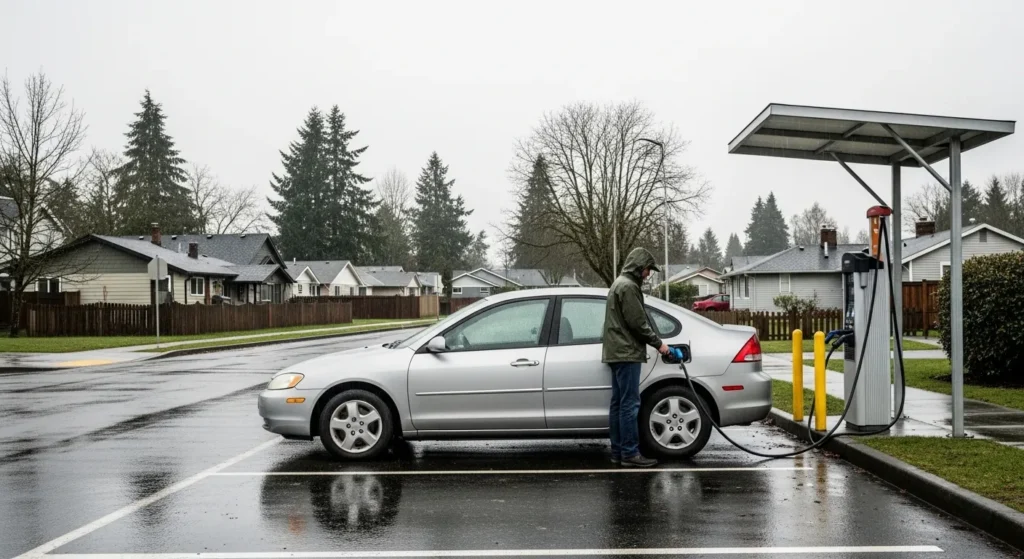
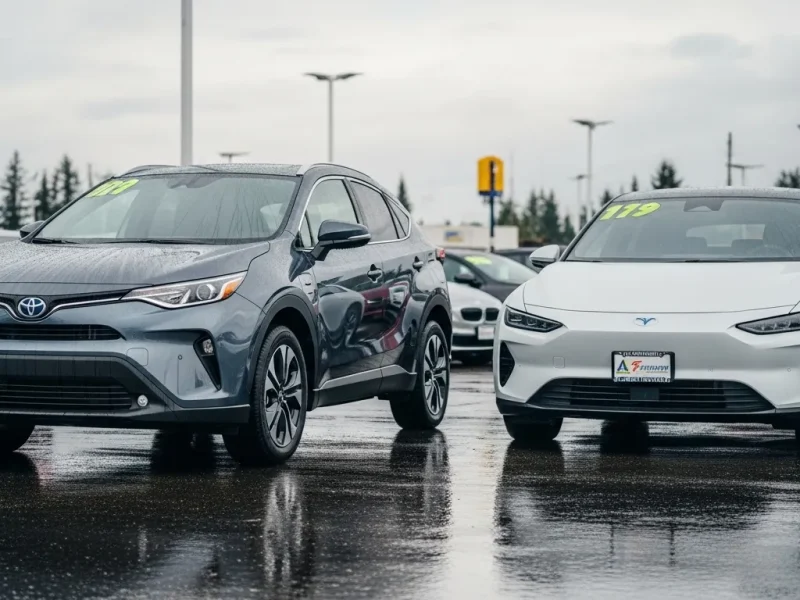
Used hybrids vs used EVs in Puyallup in 2026 matters more now because the market is changing on both sides at once. Used EV inventory has become more visible and, in some cases, more affordable. At the same time, hybrid demand has stayed strong because many buyers want better fuel economy without changing how they refuel or plan trips. That creates a more interesting decision than “EVs are the future” or “hybrids are just a compromise.”
Why used hybrids are getting more attention
Used hybrids are attractive because they ask less from the buyer. You don’t need a charger at home. Need to think about charging speed on road trips. Can fill up at any gas station and still get much better efficiency than a traditional gas-only vehicle. For many Puyallup shoppers, that makes a hybrid feel like the easiest step toward lower fuel costs.
Hybrids fit everyday Washington life with less adjustment
This matters especially in a place like Washington, where weather, hills, and mixed driving conditions can make buyers cautious. Some shoppers want better MPG, but also want the freedom to head out toward Tacoma, Seattle, Mount Rainier, or weekend errands without rethinking the route around chargers. A hybrid keeps that flexibility intact. That is one reason your AWD used vehicles article is such a good internal link here. Local drivers often care about confidence and convenience just as much as they care about efficiency.
Used hybrid SUVs are especially strong in 2026
Hybrid SUVs are an especially strong fit for Washington buyers because they blend practicality with fuel savings. They work well for families, commuters, and shoppers who want space without the fuel costs of a larger gas-only SUV. They also help buyers who are not ready to commit to a full EV but still want something that feels smarter than a standard used crossover.
Why used EVs still make sense for many buyers
Used EVs are not the wrong answer. In fact, for the right driver, they can be the best answer. Someone with a shorter commute, easy home charging, and low interest in long-distance driving may find a used EV cheaper to run and easier to live with than expected. If most of your driving stays around Puyallup, Tacoma, and nearby daily errands, a used EV can be very practical.
That is where your eco-friendly used car content becomes useful. Buyers who are EV-curious often need help separating hype from fit. The real question is not whether EVs are good in general. The real question is whether a specific used EV fits a specific local lifestyle. That is also why a post like this works better than a simple “top EVs” roundup. It helps the shopper make the right decision, not just admire the category.
How To Choose the Right One for Your Budget and Commute
The smartest choice usually comes down to ownership reality, not trendiness. Buyers who focus only on sticker price often miss the bigger picture. A used hybrid may cost more up front than a basic gas car but feel easier to own than a used EV with limited range. On the other hand, a used EV may save money over time if your commute is consistent and your charging setup is easy. That is why buyers should compare the whole ownership picture, not just the sale price.
Start with your daily pattern, not the headline trend
Before you compare models, think about how you actually drive. You commute far every day or mostly stay local? Do you live in a house where home charging is realistic, or in a situation where charging would become annoying fast? Want a city-focused commuter or a more flexible all-weather family vehicle? Those answers should shape the category before you even start looking at brands.
When a used hybrid is usually the safer buy
A used hybrid is often the safer buy when you want efficiency without lifestyle change. It is also a strong choice if you drive longer distances, cannot charge at home easily, or want a vehicle that feels familiar right away. This is especially true for buyers who care about winter practicality, road-trip freedom, or family use. A hybrid tends to reduce fuel costs without introducing a whole new ownership routine.
When a used EV is usually the better buy
A used EV is often the better buy when your commute is predictable, your charging plan is easy, and you are shopping with range and battery health in mind. Buyers who mostly drive locally can sometimes save significantly on fuel and maintenance, but only if they buy carefully. That means paying attention to range, charging compatibility, and whether the vehicle actually suits their routine instead of just looking like a bargain online.
What smart buyers in Puyallup should check before buying either one
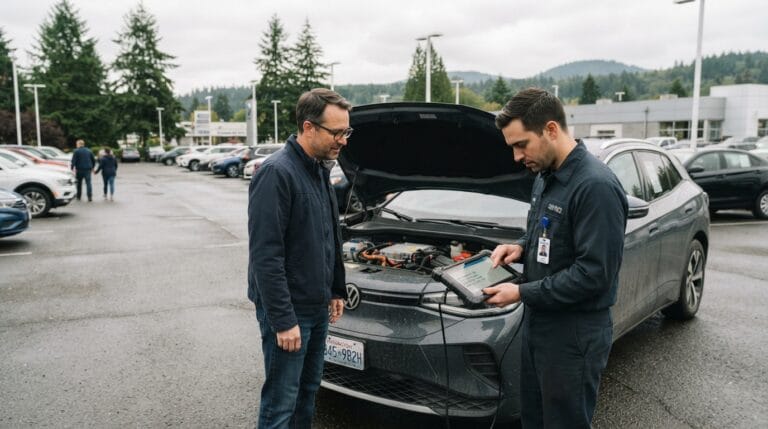
No matter which direction you choose, inspection discipline still matters. Buyers should verify battery health where possible, confirm charging needs for EVs, and look at service history for hybrids just as carefully as they would for any other vehicle. Efficiency does not cancel out basic used-car risk. It only changes which questions matter most.
This is where your inspection-focused truck post and broader buying content help support the article. The bigger message is the same: do not buy with tunnel vision. A shopper can fall in love with a low monthly payment, a fuel-savings promise, or a clean-looking listing and still miss the important details.
Before buying, local shoppers should ask:
- Can I realistically charge this EV at home or work?
- Does this hybrid or EV fit my actual weekly mileage?
- Do I need AWD or higher ground confidence for my usual driving?
- What are the likely ownership costs after I bring it home?
- Has this vehicle been properly inspected, not just cleaned up for sale?
That last question matters more than ever. A smart efficiency choice still has to be a smart used-car purchase. Good battery condition, honest pricing, and clean inspection history matter just as much as MPG or electric range. That is why a buyer comparing electrified options should still think like a disciplined used-car shopper first.
In the end, used hybrids vs used EVs in Puyallup in 2026 is such a strong topic because there is no single winner for every buyer. Hybrids are winning attention because they offer lower fuel costs with less lifestyle change. Used EVs still make great sense for the right local commute. The better category is the one that fits your route, budget, charging reality, and comfort level with change.
For an external authority link, use Washington’s Department of Licensing page on alternative-fuel and plug-in hybrid tax exemptions. It is especially useful because Washington buyers need to understand what changed and what no longer applies before assuming a used EV or plug-in hybrid still comes with the same tax advantage.