Used cars with lower insurance costs can make a big difference for Puyallup buyers in 2026. Many shoppers focus on the sale price, monthly payment, mileage, and fuel economy. Those details matter, but insurance can change the real cost of ownership every month. A vehicle that looks affordable on the lot may feel expensive later if premiums, repairs, financing, and fuel all add up.
Smart used car buying means looking beyond the sticker price. Before you choose a car, truck, SUV, hybrid, or EV, compare what it may cost to insure. Insurance companies look at many factors, including the vehicle type, repair costs, safety record, theft risk, driver profile, coverage level, and location. Around Puyallup, Tacoma, South Hill, Graham, Sumner, and the wider Pierce County area, that can affect your budget more than you expect.
This guide explains how to shop for used cars with lower insurance costs without sacrificing reliability, comfort, or safety. It also connects with other helpful Puyallup Cars n Trucks guides, including Used Car Buying in 2026, Negative Equity Car Loans in 2026, and Used Car Inspection Checklist.
Why Insurance Costs Should Be Part of Every Used Car Budget
Many buyers ask one question first: “Can I afford the payment?” That question matters, but it does not go far enough. A car payment is only one part of the monthly cost. You also need to budget for insurance, gas or charging, maintenance, tires, registration, repairs, and possible loan interest. If you ignore insurance until after the purchase, you may end up with a vehicle that strains your budget.
Insurance costs can vary widely between similar-looking vehicles. Two SUVs may have the same price, but one may cost more to repair. Two sedans may feel similar on a test drive, but one may have a better safety record. A truck may hold value well, but it may also cost more to insure if parts, size, or usage increase the risk profile. That is why Puyallup shoppers should compare quotes before signing paperwork.
Why insurance costs should shape your shortlist
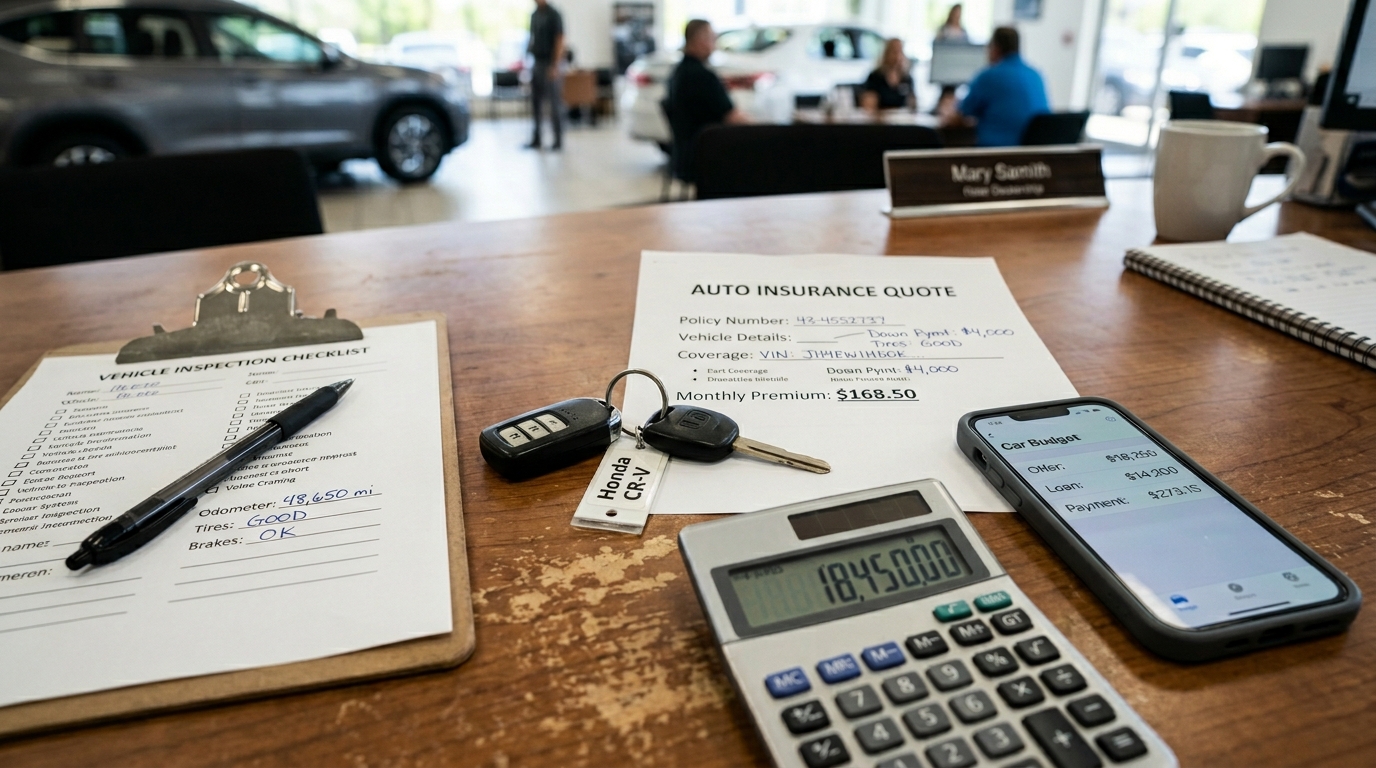
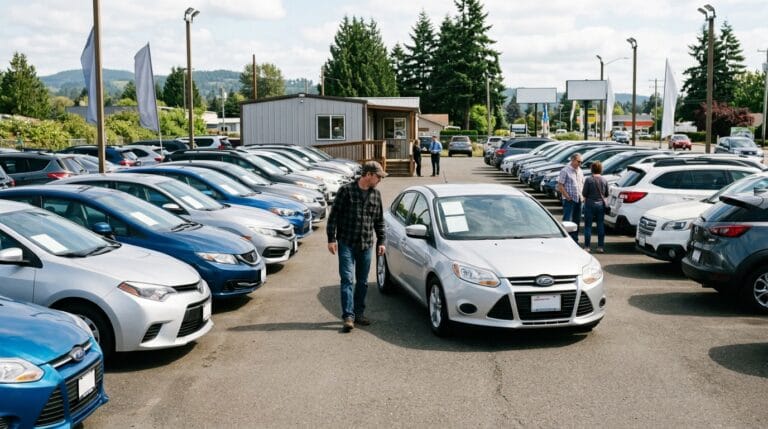
Before you fall in love with one vehicle, build a short list of two or three options. Then ask your insurance company for estimated quotes on each one. Use the exact year, make, model, trim, mileage, and VIN if available. Small trim differences can affect repair costs, safety technology, and replacement parts.
This step helps you avoid surprises. A slightly cheaper vehicle may not be cheaper overall if it costs more to insure. A slightly more expensive used car may offer better safety features, lower repair risk, and a more manageable premium. The best deal is not always the lowest advertised price. The best deal fits your full monthly budget.
Repair costs matter more than many buyers realize
Insurance companies care about repair costs because claims depend on parts, labor, and replacement value. A vehicle with expensive headlights, sensors, body panels, or specialized parts may cost more after a crash. Luxury trims, performance models, and some newer technology packages can raise repair bills. That can affect premiums.
Theft risk and safety record can affect premiums
Some vehicles cost more to insure because thieves target them more often. Others may cost less because they have strong safety records or useful anti-theft features. Before buying, check safety ratings, recall history, theft risk, and available driver assistance features. The Insurance Information Institute recommends comparing insurance costs before buying a new or used vehicle and notes that premiums can depend on price, repair cost, safety record, and theft risk.
Vehicle features that can raise or lower insurance costs
When shopping for used cars with lower insurance costs, look at the whole vehicle. Reliable sedans, practical crossovers, and some family SUVs may offer a better balance of purchase price, fuel cost, repairs, and insurance. Performance cars, heavily modified vehicles, luxury models, and certain large trucks may cost more, depending on the driver and coverage.
Safety features can also help. Blind spot monitoring, automatic emergency braking, rear cross-traffic alert, backup cameras, lane support, and stability control can improve confidence on rainy Washington roads. These features do not guarantee cheaper insurance, but they can support safer driving and may influence how a vehicle fits your long-term needs.
For buyers who want fuel savings and Washington-weather confidence, used hybrid SUVs can also make sense. You can compare options in Best Used Hybrid SUVs in Washington for 2026. If you are considering an EV, review Used EV Deals in Puyallup so you can compare battery health, charging access, purchase price, and possible insurance differences.
How Puyallup Buyers Can Shop for Lower Total Ownership Costs
A smart buying process starts before the test drive. Decide your real monthly budget first. Include the payment, insurance estimate, fuel or charging, parking, maintenance, and emergency repair savings. This gives you a better picture than a payment-only conversation.
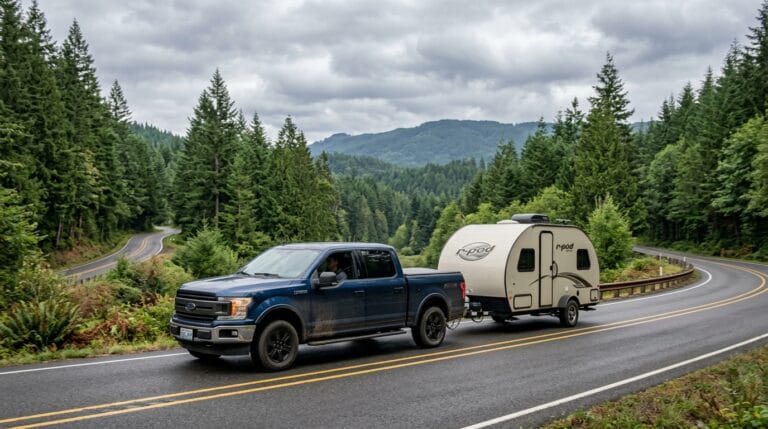
Next, compare vehicle categories. A compact sedan may cost less to insure than a large truck, but it may not fit your family or work needs. A midsize SUV may cost more than a sedan, but it may offer AWD, cargo room, and better year-round use. A truck may be necessary for towing, hauling, or job-site use, but buyers should compare insurance, tires, fuel, and repair costs before choosing. For truck-focused guidance, read Used Truck Prices in Puyallup 2026.
A practical checklist before you buy
Start with insurance quotes. Ask for estimates on at least three vehicles. Use the same coverage level for each quote so the comparison makes sense. Then check the vehicle history report, service records, accident history, tire condition, brakes, warning lights, and inspection results.
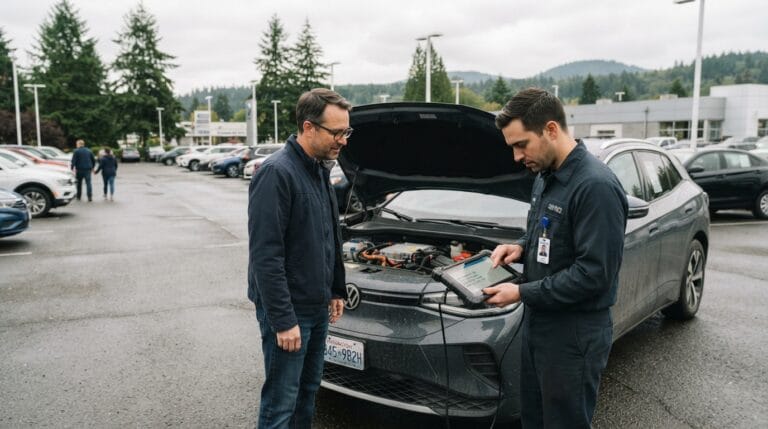
Do not skip the inspection. A vehicle with hidden damage may cost more to repair and insure later. Check the body panels, frame signs, windshield, lights, tires, suspension, fluids, electronics, and safety features. A clean-looking vehicle still needs a careful review. The Used Car Inspection Checklist gives buyers a strong starting point.
Get quotes before you sign
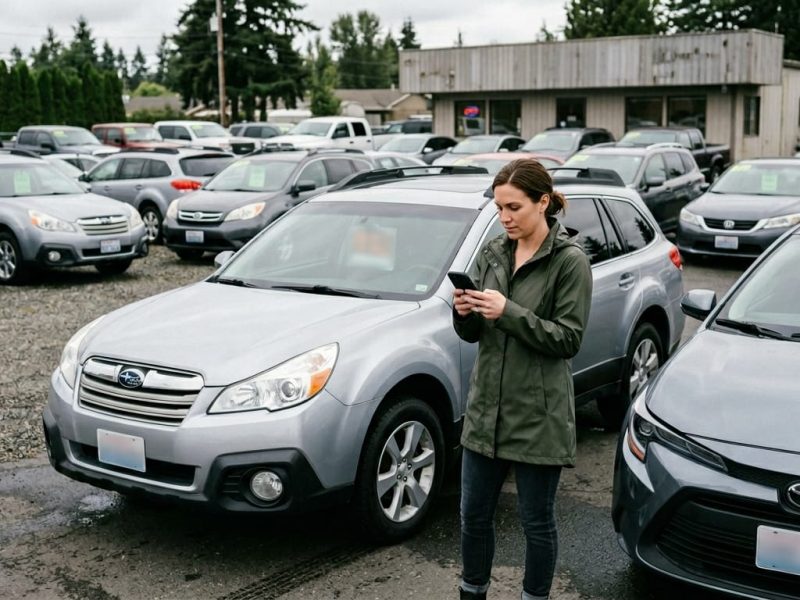
The best time to compare insurance is before the sale. Call your insurer or use online quote tools while you still have options. If one vehicle comes back much higher, ask why. The answer may involve repair costs, claims history, vehicle value, theft risk, or coverage needs. That information can help you choose with more confidence.
Balance monthly payment with total ownership cost
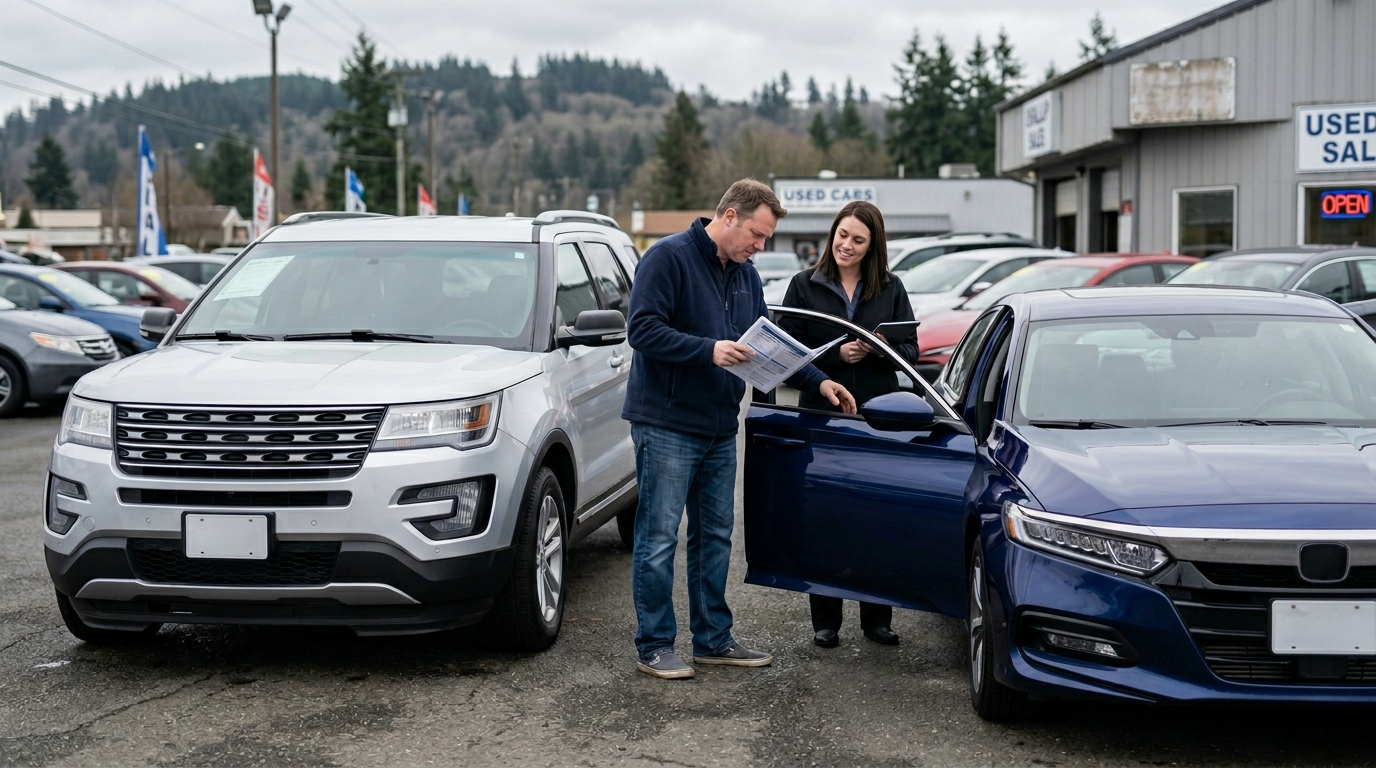
A lower payment can hide a higher long-term cost. Long loans, high APR, expensive insurance, and negative equity can turn a good-looking deal into a stressful one. If you are trading in a vehicle, review your payoff first. The guide on Negative Equity Car Loans in 2026 explains why rolling old debt into a new loan can make the next vehicle more expensive.
For an outside authority source, buyers can review the Insurance Information Institute’s guide on ways to lower auto insurance costs. It recommends checking insurance costs before buying a vehicle and explains why vehicle price, repair cost, safety record, and theft risk can matter.
In conclusion, used cars with lower insurance costs are worth considering because they help buyers protect the full monthly budget. A vehicle should not only look good on the lot. It should also make sense after the first payment, first insurance bill, first fuel stop, and first maintenance visit.
At Puyallup Cars n Trucks, the goal is to help local shoppers make informed choices. The right used car, truck, SUV, hybrid, or EV should fit your daily driving, Washington weather, financing comfort, and insurance budget. Compare quotes early, inspect carefully, ask clear questions, and choose the vehicle that still feels affordable after the excitement of buying wears off.