Buying an out-of-state used car in Washington in 2026 can open up more vehicle choices for Puyallup shoppers. A truck listed in Oregon, an SUV advertised in Idaho, or a sedan available across the state line may appear to offer better value than local inventory. However, an attractive listing price does not always reflect the full cost of bringing that vehicle home.
Washington buyers must consider title paperwork, sales or use tax, registration fees, possible emissions requirements, and the vehicle’s mechanical condition. A car that looks affordable online may become less attractive once transportation, repairs, and ownership costs are included.
There are also important differences between purchasing from an out-of-state dealership and buying directly from a private seller. Depending on the transaction, you may need temporary driving authorization, additional documentation, or assistance from a Washington vehicle licensing office.
This guide explains how Puyallup drivers can evaluate out-of-state used vehicles, understand Washington registration rules, and avoid common paperwork mistakes before committing to a purchase.
What Washington Buyers Should Check Before Purchasing an Out-of-State Vehicle
Start by comparing the full purchase cost rather than focusing on the advertised price. A lower-priced vehicle may still be a poor deal if it requires expensive repairs, shipping, travel, or unexpected registration expenses.
Ask the seller for the vehicle identification number, current mileage, title status, maintenance records, and available accident history. Verify that the person or business offering the vehicle is authorized to sell it.
Washington’s Department of Licensing recommends checking vehicle history, researching safety recalls, and arranging an independent mechanical inspection before buying a used vehicle.
These steps are particularly important when the car is located far away and the buyer cannot inspect it repeatedly.
Review vehicle history, title status, and physical condition
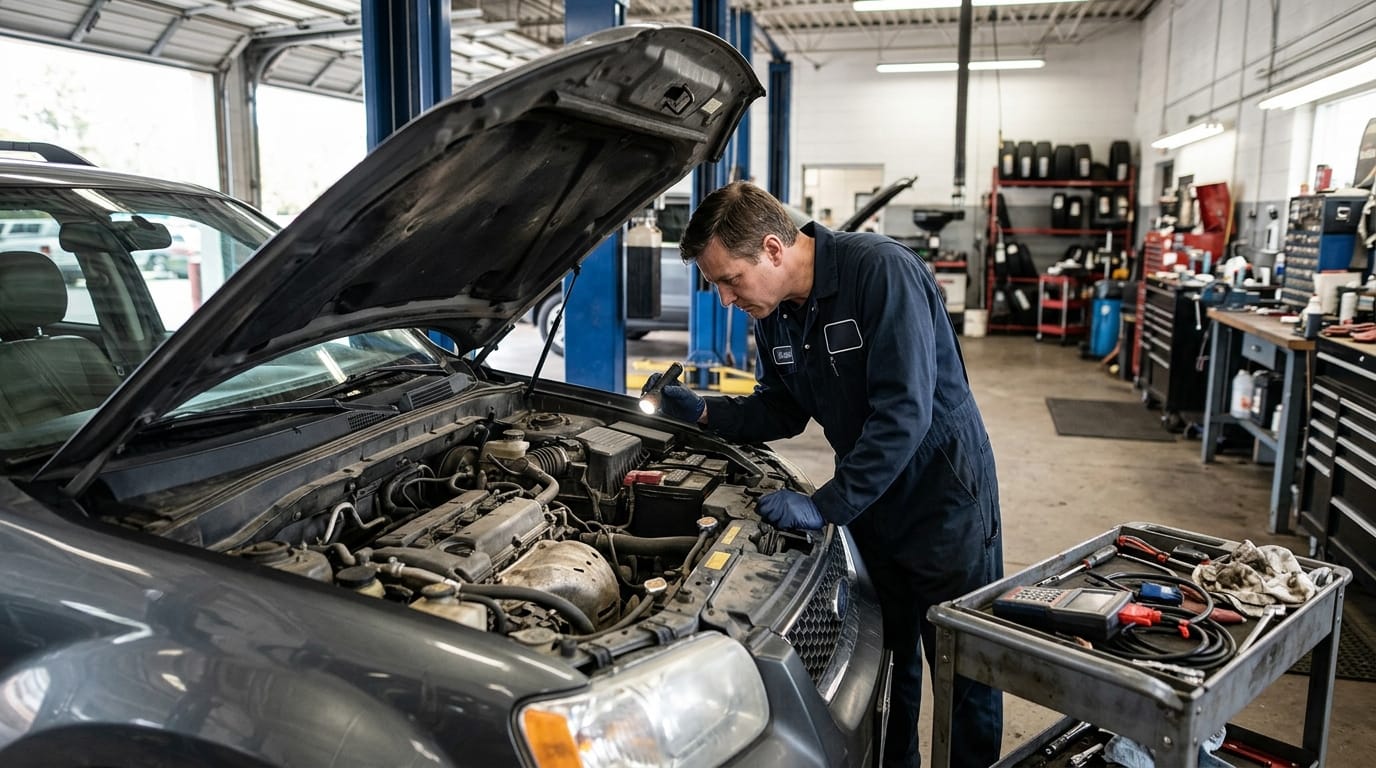
A vehicle history report can reveal recorded title events, insurance loss information, and some reported accidents. However, not every repair or collision appears in every commercial database.
Check the VIN on the vehicle against the VIN appearing on the title, registration documents, and seller’s paperwork. A mismatch requires investigation before payment.
Ask whether the title contains a salvage, rebuilt, or other brand. A branded title may affect insurance options, financing, resale value, and inspection requirements.
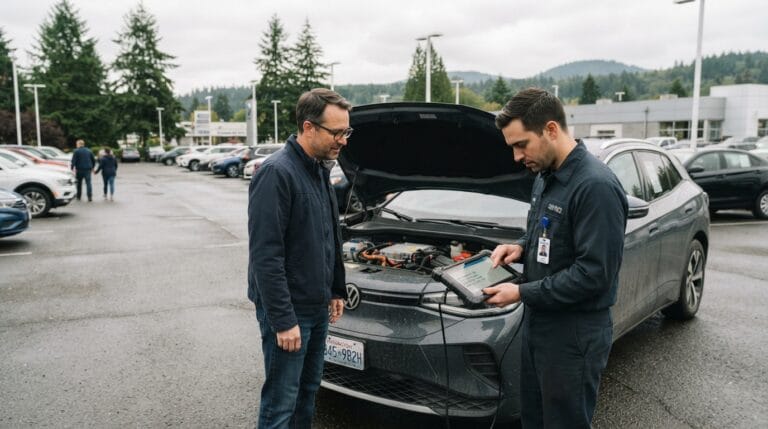
Even when a report appears clean, request a pre-purchase inspection from an independent mechanic. A professional inspection may identify worn suspension parts, fluid leaks, collision repairs, rust, or other issues that photographs cannot show.
Our used car inspection checklist for Puyallup buyers provides a practical starting point for evaluating vehicle condition.
Why an independent inspection matters before long-distance travel
Buying a used car from another state can involve significant travel costs. Discovering major mechanical problems after arriving may leave you choosing between an unwanted purchase and an expensive return trip.
Whenever possible, arrange an inspection before making a nonrefundable commitment. Confirm which components the mechanic will evaluate and ask for a written report.
Pay particular attention to tires, brakes, transmission behavior, structural repairs, warning lights, and signs of water damage.
For trucks and SUVs, inspect the four-wheel-drive or all-wheel-drive system where applicable. Ask whether modifications have affected suspension geometry, towing capability, or tire compatibility.
A seller who refuses reasonable independent inspection requests may be presenting a risk that is not worth taking.
Check Washington’s Clean Car Law before buying
Washington’s Clean Car Law creates an additional consideration for certain vehicles purchased outside the state.
According to the Washington Department of Licensing, a used vehicle generally must meet applicable California emissions certification requirements when it is a 2009-or-newer model, has fewer than 7,500 miles, and the new owner is a Washington resident, unless an exemption applies.
Importantly, the law includes exemptions. Previously registered used vehicles with more than 7,500 miles at the time of sale are among the listed exemptions.
Buyers should therefore avoid assuming that every older used car purchased in Oregon or Idaho automatically fails Washington’s requirements.
Where certification is required, inspect the Vehicle Emissions Control Information label, usually located in the engine compartment. It may identify whether the vehicle meets California or 50-state emissions standards.
If the vehicle does not qualify and no exemption applies, registration may become a problem. Verify eligibility with the Department of Licensing before purchasing.
Compare the total price of an out-of-state vehicle
The selling price is only one part of the calculation. Buyers may also need to budget for Washington sales or use tax, title and registration costs, transportation, insurance, inspection fees, and immediate maintenance.
Taxes depend on the transaction and applicable law. Buying from a dealership may involve different collection and documentation procedures than purchasing directly from an individual.
Ask for an itemized purchase agreement that identifies the vehicle price, taxes collected, processing charges, optional products, and other fees.
Be cautious when a seller focuses exclusively on a low monthly payment without explaining the full amount financed.
Why tax, transportation, and repair costs change the deal
Imagine finding a used SUV advertised for less than a comparable vehicle in Puyallup. Before deciding that it is a bargain, calculate what it will cost to bring the SUV home and register it.
Include fuel or shipping, an inspection, any temporary authorization needed to drive it, insurance, and likely maintenance.
Washington’s Department of Revenue explains that buyers generally owe sales or use tax when a vehicle is acquired and titled, subject to the applicable transaction rules and exemptions.
Do not assume paying tax elsewhere automatically eliminates every Washington tax obligation. Ask the appropriate licensing or tax authority how out-of-state tax payments are treated in your situation.
For additional budgeting ideas, read our guide to used cars with lower insurance costs in Puyallup.
How to Register an Out-of-State Used Car in Washington
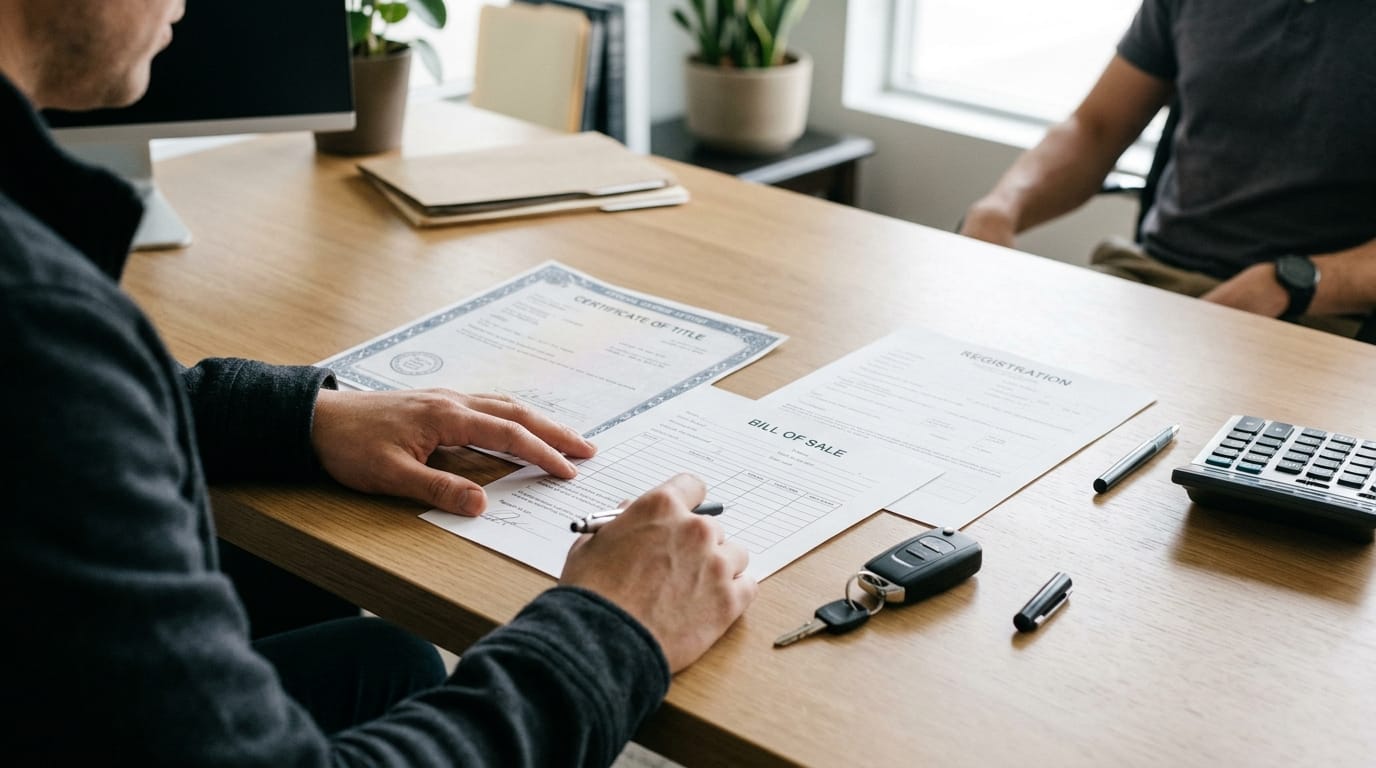
After purchasing a vehicle, buyers need to complete the appropriate ownership and registration process.
Washington generally requires a vehicle’s ownership to be transferred within 15 days of the purchase or transfer. Missing this deadline can result in penalties.
The Department of Licensing identifies a $50 penalty beginning on the sixteenth day, with an additional $2 per day afterward, up to the applicable statutory maximum.
Because individual transactions can involve special circumstances, verify the required documents and deadlines with a Washington vehicle licensing office.
Purchasing from a dealer may simplify some steps because dealers handle certain paperwork. Private-party purchases usually require more direct involvement from the buyer.
Prepare the title, bill of sale, and registration documents
For a private-party purchase, obtain the properly completed vehicle title with all required owner signatures.
Check for recorded liens and ensure that any necessary release of interest is available. Unresolved liens can delay or prevent a clean transfer.
Buyers may also need a Vehicle Title Application, bill of sale, and an odometer disclosure when required.
Washington’s current Department of Licensing instructions state that vehicles from model year 2011 onward generally require odometer disclosure, while model years 2010 and earlier qualify for an exemption.
Do not assume that a photographed title, handwritten promise, or electronic message is a substitute for the documents required to complete the transfer.
Before exchanging payment, confirm that all necessary paperwork can be delivered in an acceptable form.
Understand temporary permits, plates, and insurance
If you plan to drive the vehicle home, determine which license plates or temporary permits will legally cover the trip.
The requirements depend on where the vehicle is purchased, whether it currently has valid registration, and the states through which it will travel.
Washington offers a three-day trip permit for certain circumstances. The Department of Licensing currently lists a $36 fee, but buyers should not assume that this Washington permit replaces every requirement imposed by another state.
Contact the relevant motor vehicle agencies before driving an unregistered vehicle across state lines.
Arrange suitable automobile insurance before taking possession. A new purchase may require immediate proof of coverage, and financing agreements can impose additional insurance requirements.
Washington generally requires liability insurance with minimum limits of $25,000 for injury or death of one person, $50,000 for two or more people, and $10,000 for property damage, unless another authorized method of financial responsibility applies.
Those minimums may not be sufficient to protect against the costs of a serious crash. Compare coverage options based on your needs and financial situation.
The official Washington Department of Licensing guide to buying and registering a vehicle explains the required documents, transfer procedures, and applicable deadlines.
One additional concern is financing. Some lenders place restrictions on vehicle age, mileage, title brands, or purchases from private individuals.
Before traveling to purchase a car, ask your lender whether the particular vehicle and seller qualify for financing.
written confirmation
Get written confirmation of the rate, loan term, required down payment, and any conditions that must be satisfied before funds are released.
A vehicle that qualifies for one lender’s program may not qualify for another. Branded titles, older trucks, and high-mileage vehicles can create additional limitations.
If you plan to trade in your current vehicle, compare its value separately from the purchase price. Combining multiple negotiations can make the true cost harder to understand.
For shoppers comparing pickups, our used truck buyers’ guide for Puyallup explains how towing requirements, fuel costs, and long-term ownership expenses influence value.
Before signing a purchase agreement, review the warranty terms. Used vehicles may be sold with different warranty protections, and verbal assurances should not replace written documentation.
Washington does not provide a general automatic three-day cooling-off period for vehicle purchases at licensed dealerships. Buyers should not expect to reverse a transaction simply because they change their minds.
Carefully read the contract and clarify unfamiliar charges or conditions before signing.
When buying from an individual, arrange a safe meeting location and use a payment method that provides appropriate documentation.
Verify the seller’s identity and confirm the title information before transferring funds. Avoid sending large deposits to unfamiliar sellers solely on the strength of online photographs.
After completing the purchase, retain the bill of sale, title documents, inspection report, financing agreement, insurance information, and payment receipts.
These records may be valuable if registration issues, warranty disputes, or unexpected mechanical problems arise later.
Puyallup residents
For Puyallup residents, buying from another state can expand the available selection, but it also requires more preparation than a straightforward local purchase.
The best deal is not necessarily the vehicle with the lowest advertised price. It is the vehicle that offers suitable condition, legal registration eligibility, manageable ownership costs, and a clear title.
Buying an out-of-state used car in Washington in 2026 should begin with careful research and end with a complete understanding of the paperwork and costs involved.
Check the emissions requirements, verify the title, arrange an independent inspection, confirm taxes and financing, and prepare for Washington’s ownership transfer deadline.
With these steps, Puyallup buyers can compare vehicles from a wider market while reducing the risk of expensive registration or purchasing surprises.
Disclaimer: This article provides general vehicle-buying information. Registration rules, taxes, emissions exemptions, fees, and insurance requirements depend on the transaction and may change. Confirm current requirements with the relevant state agencies before purchasing.