Recall-safe used car buying in Puyallup should be part of every shopper’s checklist in 2026. Price, mileage, financing, and fuel economy matter, but safety history can affect your daily confidence long after the test drive ends. A vehicle may look clean, drive smoothly, and fit your budget, yet still have an open recall, missing safety feature, disabled sensor, or repair history that deserves a closer look.
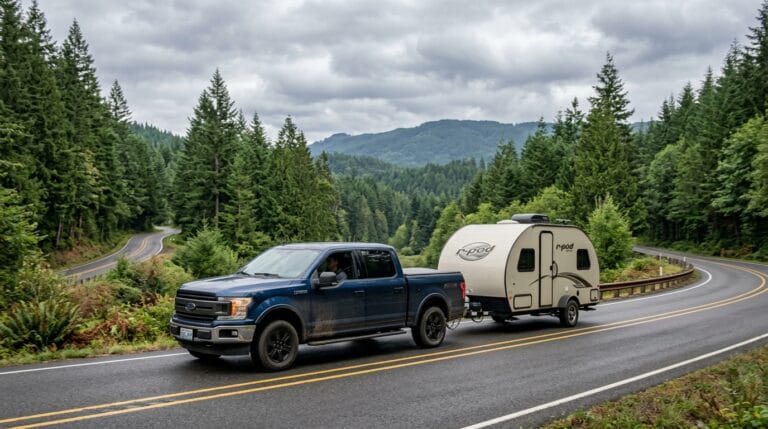
This matters for local drivers because Puyallup roads can throw a lot at a vehicle. Rainy commutes, dark mornings, school traffic, freeway merges, busy parking lots, and weekend trips toward mountains or rural roads all make safety features important. A dependable used car, truck, or SUV should not only start reliably. It should also protect the people inside and support the driver when traffic changes quickly.
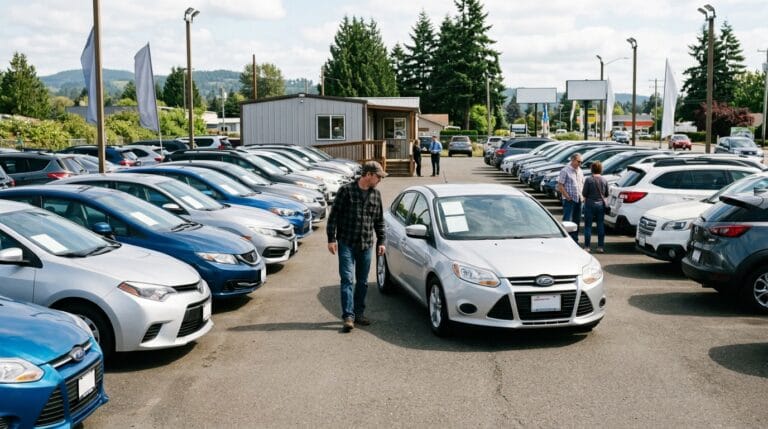
The problem is that many used vehicle buyers focus on the visible details first. They check paint, tires, seats, screens, and monthly payment. Those details matter, but they do not tell the whole story. A smart buyer should also check the VIN, review open recalls, compare safety ratings, confirm driver-assistance features, and ask whether any sensors or cameras have been repaired or recalibrated.
This guide explains how recall-safe used car buying in Puyallup works, what buyers should check before signing, and why safety technology needs more attention in today’s used vehicle market.
Why Recall Checks Belong in Every Used Car Search
A recall happens when a manufacturer or safety agency identifies a safety-related problem or a failure to meet required standards. Some recalls involve minor parts. Others involve airbags, brakes, seat belts, fuel systems, electrical risks, steering, software, or crash protection. That range is exactly why buyers should never ignore recall checks.
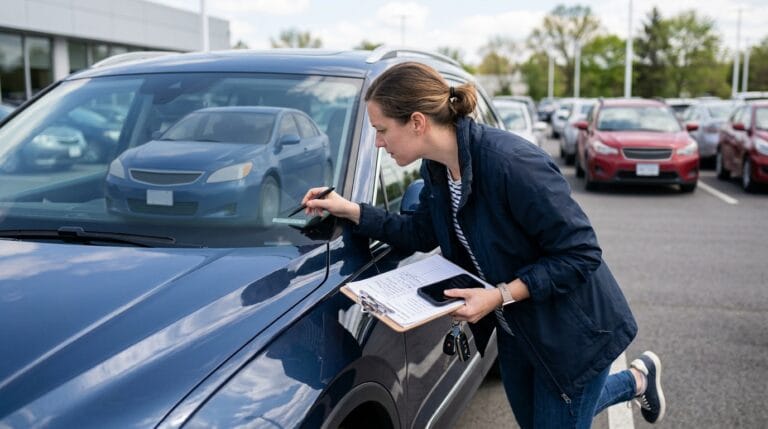
The good news is that checking recalls does not need to be complicated. Buyers can use a vehicle identification number, usually called a VIN, to look for open recalls before making a purchase. The VIN is normally visible near the lower windshield on the driver side, inside the driver-side doorjamb, and on registration or insurance documents.
A clean-looking vehicle can still have an open recall
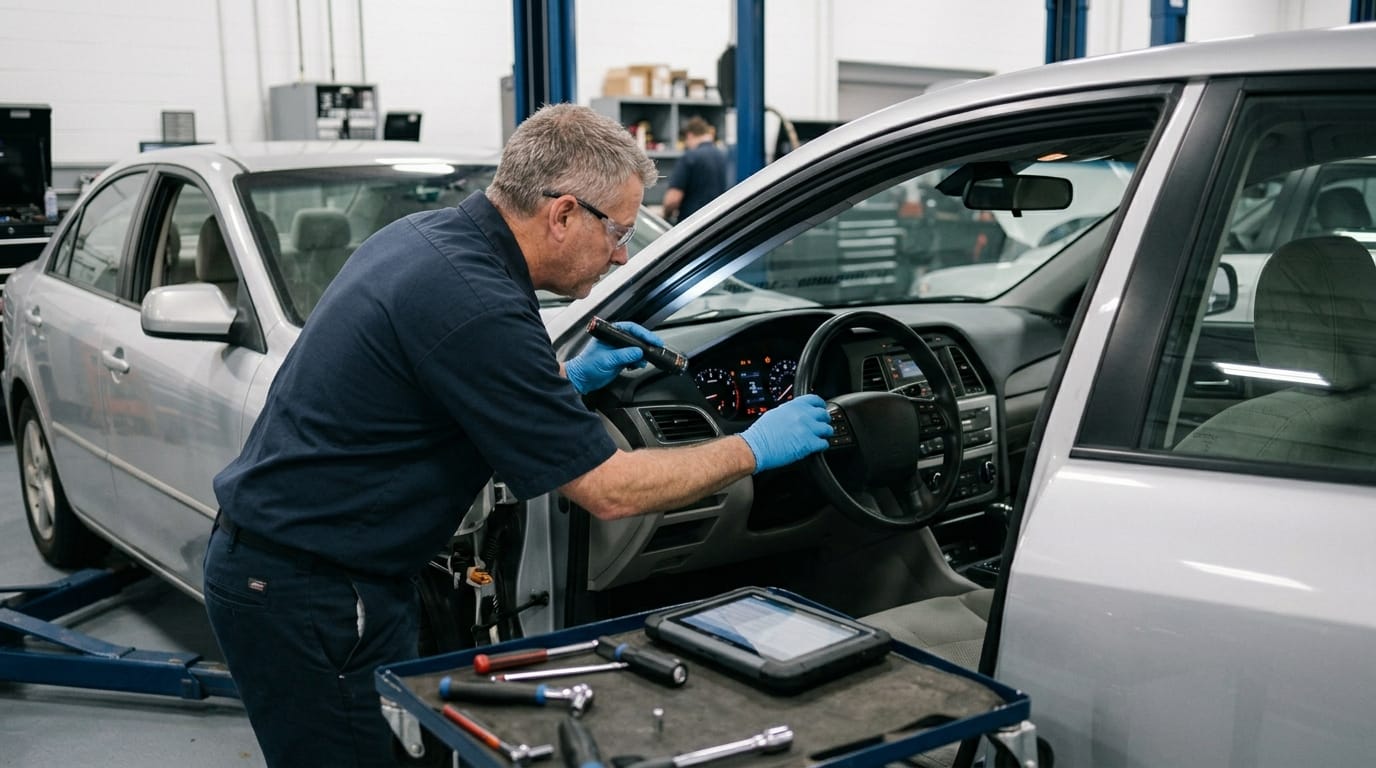
A used vehicle may look excellent on the lot and still need recall work. Appearance does not prove that every manufacturer safety campaign has been completed. A shiny exterior, clean interior, and strong test drive cannot replace a VIN check.
Buyers should check recalls before they sign paperwork, not after they bring the vehicle home. If an open recall exists, ask what the recall involves, whether the repair is available, and whether a local authorized dealer can complete it. Some recall fixes may be simple. Others may involve parts delays, scheduling issues, or important driving instructions.
Check the VIN before you discuss final numbers
The VIN should become part of your buying process before final negotiation. Ask for the VIN early, run the recall check, and save the result. If the vehicle has an open recall, do not assume the issue is harmless. Read the recall description and ask direct questions.
For official recall checks, buyers can use the NHTSA recall lookup tool. This gives shoppers a reliable place to check whether a specific vehicle needs recall repair.
This step pairs well with your internal article on used car buying in 2026. Hidden fees and misleading listings matter, but recall checks help buyers avoid another kind of surprise: safety problems that do not show up in the monthly payment.
Ask whether the recall repair has already been completed
If a seller says the recall has been fixed, ask for proof. Service records, dealer repair confirmations, or recall completion documents can help. Do not rely only on verbal reassurance, especially if the issue affects airbags, braking, fuel systems, steering, or electrical safety.
If the recall repair has not been completed, ask whether the vehicle can still be driven safely and whether the manufacturer has issued special instructions. Some recalls may advise owners to park outside, stop driving, or schedule repair immediately. A buyer should know that before committing to the vehicle.
Safety ratings help compare similar vehicles
Recall checks tell you whether a specific vehicle has open safety work. Safety ratings help you compare how different models perform in crash tests and safety evaluations. Together, they give buyers a better view of risk.
Two used SUVs may have similar mileage, similar prices, and similar features, but very different safety performance. One may have stronger crash-test results, better headlights, and more advanced driver-assistance technology. The other may look like a bargain until you compare the safety details.
Do not compare only price and mileage
Price and mileage are useful, but they should not control the entire decision. A slightly cheaper vehicle may cost more in the long run if it has weak safety ratings, poor visibility, limited driver-assistance features, or expensive sensor repairs waiting in the background.
Families, commuters, teen drivers, and buyers who drive regularly in rain or heavy traffic should pay close attention to crash ratings, headlights, braking support, blind spot alerts, rear visibility, and tire condition. Your related post on used car safety features in 2026 is a strong next read for shoppers comparing real-world safety tools.
How ADAS Repairs Can Change a Used Car’s True Value
Advanced driver-assistance systems, often called ADAS, have changed used car shopping. Many newer used vehicles now include features such as automatic emergency braking, forward collision warning, lane keeping support, adaptive cruise control, blind spot monitoring, parking sensors, backup cameras, and rear cross-traffic alert.
These systems can help, but they depend on sensors, cameras, radar units, software, wiring, mirrors, bumpers, and windshield-mounted components. If a vehicle had a front-end collision, bumper replacement, windshield replacement, mirror damage, or poor body repair, the safety technology may need calibration or repair.
ADAS features only add value when they work correctly
A vehicle advertised with advanced safety features should prove that those features still function. A backup camera should show a clear image. Blind spot indicators should work on both sides. Parking sensors should respond correctly. Warning lights should turn off after startup. Lane support, if equipped, should turn on and off properly through the vehicle settings.
Buyers should not create dangerous situations to test automatic emergency braking, but they can still confirm whether the system shows warning messages, whether the dashboard displays errors, and whether the owner’s manual explains the feature package. If a seller cannot explain what the vehicle has, ask for the build sheet, window sticker, or feature list.
Sensor damage can be expensive after purchase
ADAS repairs can cost more than buyers expect. A small bumper repair may affect radar. A windshield replacement may affect a forward-facing camera. A side mirror replacement may affect blind spot monitoring. A poorly repaired accident may leave warning lights, calibration issues, or disabled driver-assistance systems.
This is why a pre-purchase inspection should include more than brakes, tires, fluids, and engine condition. Ask the inspector to check dashboard warnings, camera areas, sensor covers, bumper alignment, windshield camera mounts, and evidence of prior body work. A used car with advanced safety tech should receive a safety-tech inspection, not just a basic mechanical glance.
For buyers comparing ownership costs, your article on used cars with lower insurance costs in Puyallup also fits here. Safety features and repair complexity can both affect the long-term cost of owning a vehicle.
Build a recall-safe checklist before you sign
A strong checklist helps Puyallup buyers slow down and make a better decision. Start with the VIN. Check for open recalls. Review the vehicle history report. Compare safety ratings. Inspect tires, brakes, lights, mirrors, windshield, bumper sensors, backup camera, and dashboard warnings. Ask about accident repairs, windshield replacement, sensor calibration, and recall completion.
Then connect safety to financing. A vehicle with unresolved problems should not receive the same confidence as one with clean records and working systems. If repairs are needed, ask whether the seller will complete them before sale or adjust the price. Do not assume you can fix everything cheaply later.
Walk away if the safety story does not make sense
The clearest red flag is a seller who avoids safety questions. If the VIN check raises issues, the dashboard shows warning lights, the history report suggests damage, or the seller cannot explain whether ADAS features work, slow down. You do not need to buy that vehicle just because the price looks attractive.
This is especially important if you are also dealing with financing pressure. A buyer who stretches the budget for a vehicle should not also accept unresolved safety uncertainty. Your internal guide on negative equity car loans in 2026 can help shoppers avoid rolling old debt into a vehicle that may already carry hidden repair concerns.
Fuel and commute needs also matter. If you want something efficient for local driving, your post on fuel-efficient used SUVs in Puyallup can help compare practical options. The right vehicle should fit your safety needs, budget, commute, and long-term ownership costs.
The smartest buyers do not treat recalls, safety ratings, and ADAS repairs as separate details. They connect them. A vehicle with open recalls may need repair. A vehicle with poor safety ratings may offer less protection. A vehicle with advanced safety tech may need calibration if repairs were done. All three affect the real value of the deal.
At Puyallup Cars n Trucks, shoppers should feel confident asking safety questions before making a decision. A dependable used vehicle should make sense on paper and on the road. It should have clear records, working features, reasonable ownership costs, and a safety story that holds up under inspection.
The main takeaway is simple: recall-safe used car buying in Puyallup protects you from avoidable surprises. Check the VIN. Review recalls. Compare safety ratings. Inspect ADAS features. Ask for repair records. If something feels unclear, get answers before you sign. A good deal should not require you to gamble with safety.