Used plug-in hybrids are becoming a smart middle-ground option for Puyallup drivers in 2026. Many shoppers like the idea of saving fuel, but they are not always ready to depend fully on public charging or switch to a battery-electric vehicle. A plug-in hybrid, often called a PHEV, gives buyers a practical bridge: electric driving for short local trips and a gasoline engine for longer drives, mountain routes, and busy family days.
This matters in Pierce County because daily driving is rarely one-size-fits-all. A buyer may commute to Tacoma, run errands around South Hill, visit family in Sumner, drive through wet winter roads, and head toward the mountains on weekends. A full EV can work well for some households, but it is not the easiest fit for every budget, parking situation, apartment setup, or road-trip routine. A regular hybrid is simple and efficient, but it does not offer the same short-trip electric driving as a plug-in hybrid.
That is why used plug-in hybrids deserve a closer look. They can help reduce gas use without forcing every buyer into a charging-first lifestyle. They also connect naturally with other helpful guides from Puyallup Cars n Trucks, including Used Hybrids vs Used EVs in Puyallup in 2026, Best Used Hybrid SUVs in Washington for 2026, and Used EV Deals in Puyallup.
Why Used Plug-In Hybrids Are Trending in 2026
The biggest reason used plug-in hybrids are getting attention is buyer hesitation. Many drivers want lower fuel costs, but they also want flexibility. They may not have home charging yet. They may worry about public charger availability. They may drive longer distances on weekends. They may also want AWD, cargo space, and familiar refueling for family use. A PHEV can answer those concerns better than a vehicle that is only gas or only electric.
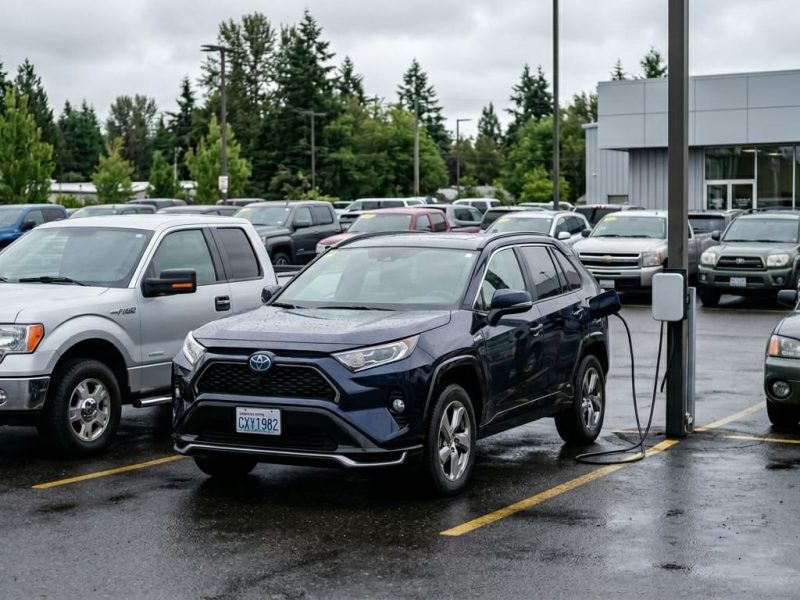
According to the U.S. Department of Energy’s Alternative Fuels Data Center, plug-in hybrid electric vehicles use a battery-powered electric motor along with another fuel source, such as gasoline. The battery can be charged with charging equipment and regenerative braking. For buyers, that means a PHEV can use electricity for some trips while keeping gasoline available when needed. You can review the official overview at the Alternative Fuels Data Center’s PHEV guide.
How a plug-in hybrid fits Puyallup driving
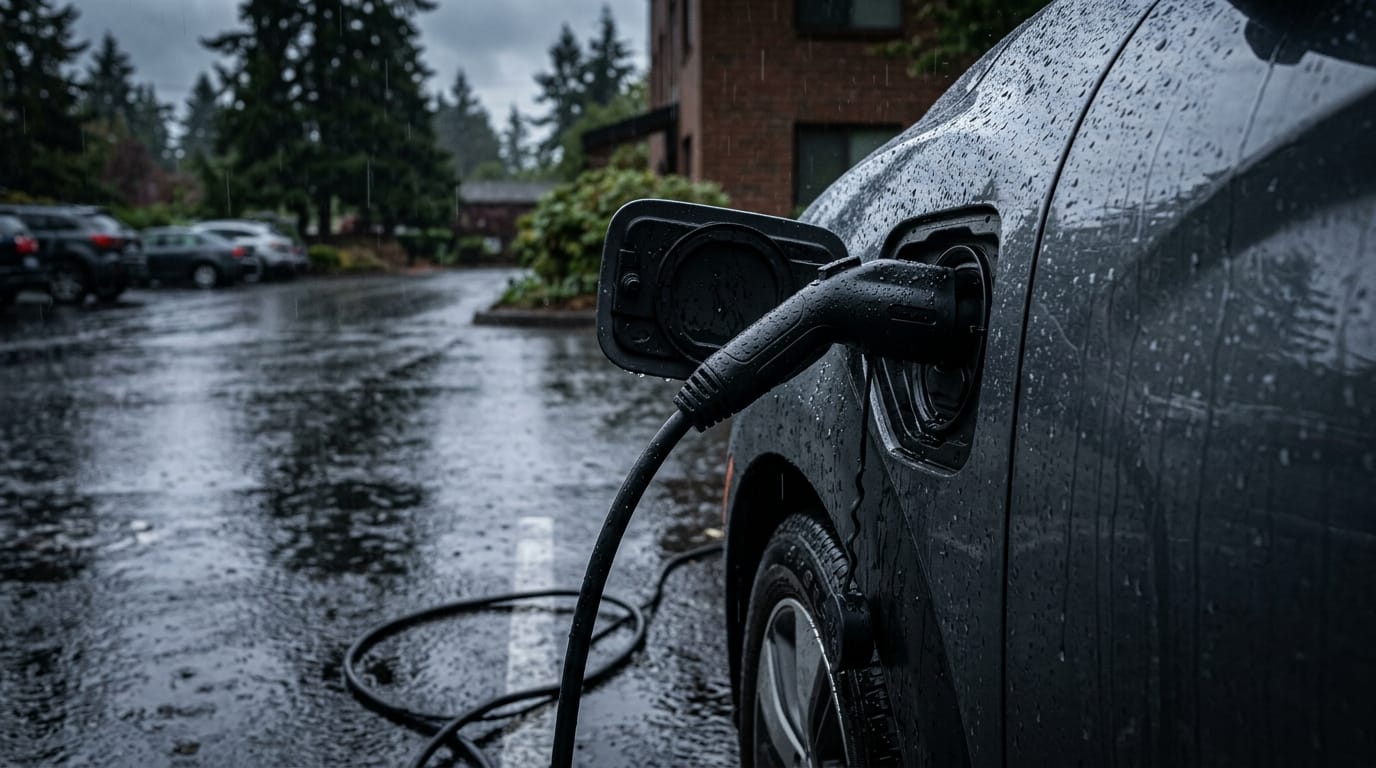
A used plug-in hybrid makes the most sense when your regular drives are short enough to benefit from electric range. Think school drop-offs, grocery runs, local errands, short commutes, and stop-and-go traffic. If you can charge at home, even with a standard outlet in some cases, you may be able to cover many daily trips using little or no gas.
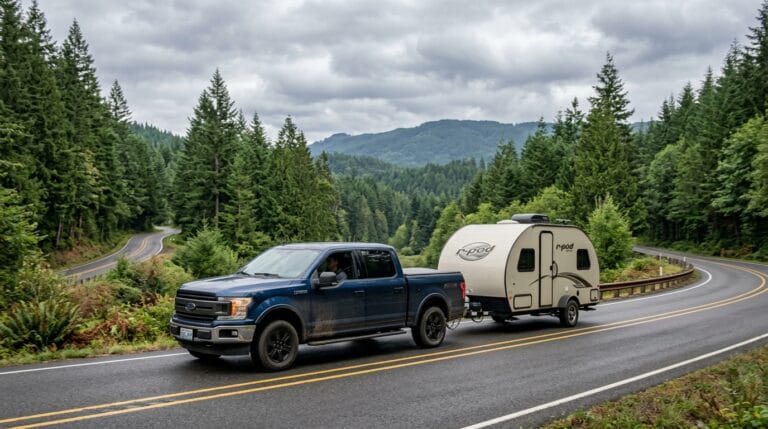
The gasoline engine becomes useful when life gets less predictable. If you need to visit Seattle, drive to the coast, head toward Mount Rainier, or make several stops in one day, you do not have to plan the trip around chargers. You can drive it like a normal hybrid once the battery is low. That flexibility is the real selling point.
1. A PHEV is best when you can charge regularly
A plug-in hybrid is only worth paying extra for if you actually plug it in. If you never charge it, you are mostly driving a heavier hybrid with extra hardware. Before buying, be honest about your charging routine. Do you have a driveway, garage, or reliable outlet? Can you charge overnight? Does your workplace have charging? If the answer is yes, a used PHEV becomes much more attractive.
2. Electric range matters more than advertised hype
Do not shop by badge alone. Compare real electric range, battery condition, fuel economy after the battery is depleted, and how the vehicle drives in hybrid mode. Some PHEVs offer enough electric range for most local errands. Others provide a shorter electric cushion but still improve overall efficiency. The right choice depends on your commute, not someone else’s online opinion.
What to check before buying a used PHEV
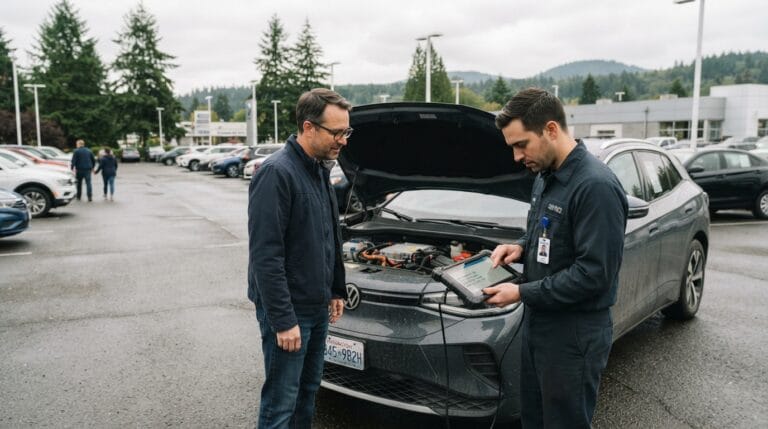
Used plug-in hybrids need a slightly different inspection process than regular used cars. You still need to check tires, brakes, suspension, fluids, accident history, title status, and service records. But you should also ask about charging history, battery health, remaining warranty, charging cable condition, and whether all drive modes work correctly.
For a stronger buying process, use the Used Car Inspection Checklist before you make a final decision. A PHEV is still a used vehicle first. Clean technology does not erase basic inspection rules.
3. Look at battery warranty and service records
Battery coverage can vary by model year, mileage, brand, and state rules. Do not assume every used plug-in hybrid has the same warranty. Ask for documentation. Review service history. Check whether the vehicle has had software updates, recalls, or charging issues. If possible, have the vehicle inspected by a mechanic familiar with hybrids and plug-in systems.
Also pay attention to the brakes. Because PHEVs use regenerative braking, brake wear can be different from a regular gas vehicle. That can be good, but long periods of light use can also mean corrosion in wet climates. In Washington, where rain is part of normal driving, a proper brake inspection is still important.
How to Decide If a Used Plug-In Hybrid Is Worth It
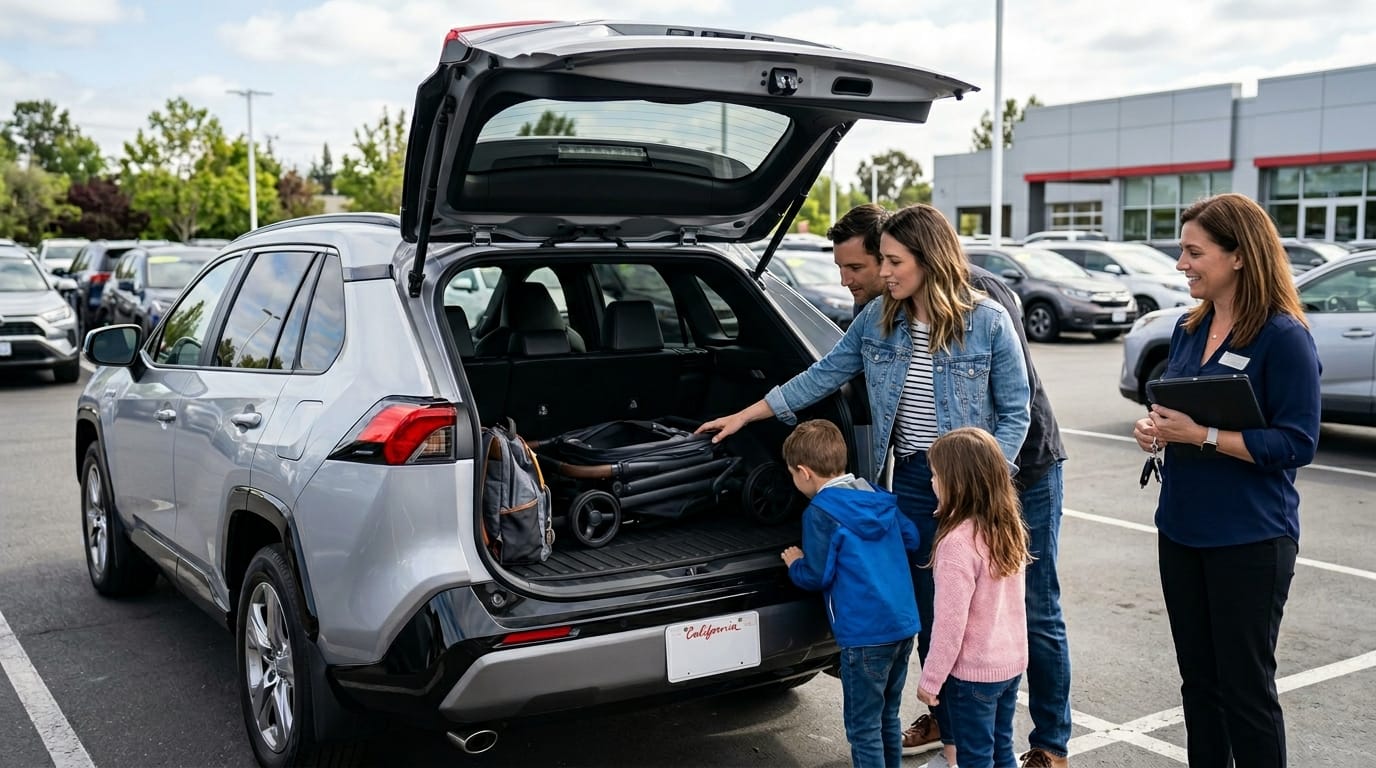
The best way to judge a used PHEV is to compare total value, not just fuel savings. Start with the price difference between a used plug-in hybrid, a regular hybrid, and a gas SUV or sedan. Then compare expected fuel savings, insurance, registration costs, battery condition, financing rate, and long-term reliability. A cheaper gas vehicle may still win if you drive very little. A regular hybrid may win if you cannot charge. A PHEV may win if you drive locally most days and can plug in consistently.
You should also be careful with tax-credit assumptions. Federal clean vehicle incentives changed after 2025, and the IRS says the used clean vehicle credit applied to qualified used EV or fuel-cell vehicles acquired on or before September 30, 2025. If you are buying in 2026, do not assume a used plug-in hybrid automatically comes with a federal credit. Verify current federal, state, utility, or local incentives before counting them in your budget.
Best buyer types for used plug-in hybrids
Used plug-in hybrids are strongest for buyers who want fuel savings without full EV commitment. They are a good fit for commuters with short daily routes, families with predictable local errands, homeowners who can charge overnight, and drivers who want one vehicle for both weekday efficiency and weekend flexibility.
They may not be the best fit for every shopper. If you live in an apartment with no charging access, a regular hybrid may be simpler. If you drive long highway miles every day and rarely charge, the advantage may shrink. If you want the lowest possible maintenance from an electric-only drivetrain, a used EV may still be worth comparing. The key is matching the vehicle to your real driving pattern.
4. Compare the loan, trade-in, and long-term value
Do not let fuel savings distract you from financing. If the monthly payment is stretched too far, the deal can still become stressful. This is especially important for buyers trading in a vehicle with negative equity. Before upgrading, read Negative Equity Car Loans in 2026 so you understand how old debt can affect the next purchase.
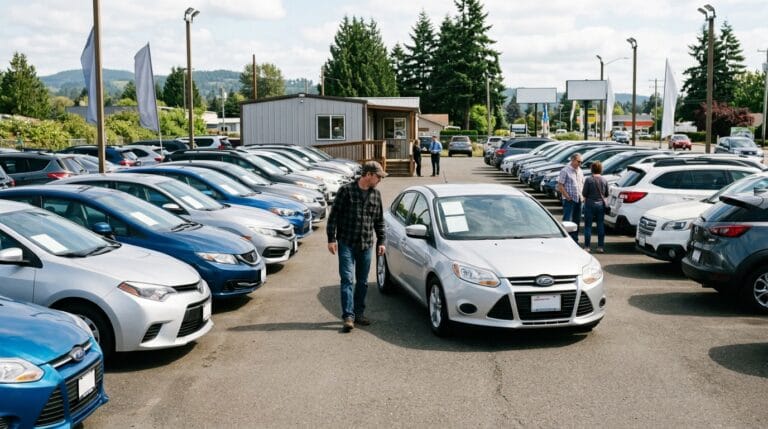
For Puyallup shoppers, the smartest move is to test drive a used plug-in hybrid the same way you live. Check visibility, cargo space, child-seat room, seat comfort, charging port placement, AWD availability, and whether the controls feel easy. Ask about battery health and charging equipment. Compare the price against a regular hybrid and a used EV. Then choose the vehicle that makes sense after the excitement wears off.
Used plug-in hybrids are not perfect, but they are practical. In 2026, that practicality is exactly why they are trending. They give Washington drivers a way to reduce fuel use, keep long-trip flexibility, and avoid some of the charging anxiety that can come with full EV ownership. For the right buyer, a used PHEV can be the middle-ground vehicle that finally makes electrified driving feel realistic.
At Puyallup Cars n Trucks, the goal is to help local buyers compare real options with clear information. Whether you are looking for a commuter car, family SUV, AWD vehicle, or fuel-saving upgrade, the best choice is the one that fits your roads, budget, charging access, and daily routine.