Used car safety features should be near the top of every Puyallup buyer’s checklist in 2026. Price, mileage, financing, fuel economy, and vehicle condition all matter. But safety technology can affect your daily confidence, your family’s protection, and sometimes even your long-term ownership costs. A used car that looks like a bargain may not be the best choice if it lacks the safety tools you need for Washington roads.
Puyallup drivers deal with rainy commutes, dark winter mornings, busy school zones, freeway merges, crowded parking lots, and weekend drives toward mountains or rural roads. Those conditions make visibility, braking, traction, and driver awareness important. The right features cannot replace careful driving, but they can add another layer of support when traffic changes quickly.
This guide explains which used car safety features matter most, how to test them before buying, and why buyers should confirm that every system works correctly. It also connects with helpful Puyallup Cars n Trucks resources, including Used Car Inspection Checklist, Used Car Buying in 2026, and Used Cars With Lower Insurance Costs in Puyallup.
Why Used Car Safety Features Matter More in 2026
Vehicle safety has moved beyond airbags and seat belts. Those basics still matter, but many used vehicles now include advanced driver-assistance systems. These may include automatic emergency braking, forward collision warning, blind spot monitoring, lane keeping support, adaptive cruise control, rear cross-traffic alert, parking sensors, and backup cameras.
The Insurance Institute for Highway Safety reports that several driver-assistance technologies show real-world crash reductions, including front crash prevention, lane departure prevention, blind spot detection, and rear crash prevention. IIHS also reported in March 2026 that benefits can increase when several features are bundled together, such as AEB, pedestrian detection, lane assistance, rear AEB, and driver attention alerts. For official background, readers can review the IIHS advanced driver assistance resource.
Safety technology can help in everyday Puyallup driving
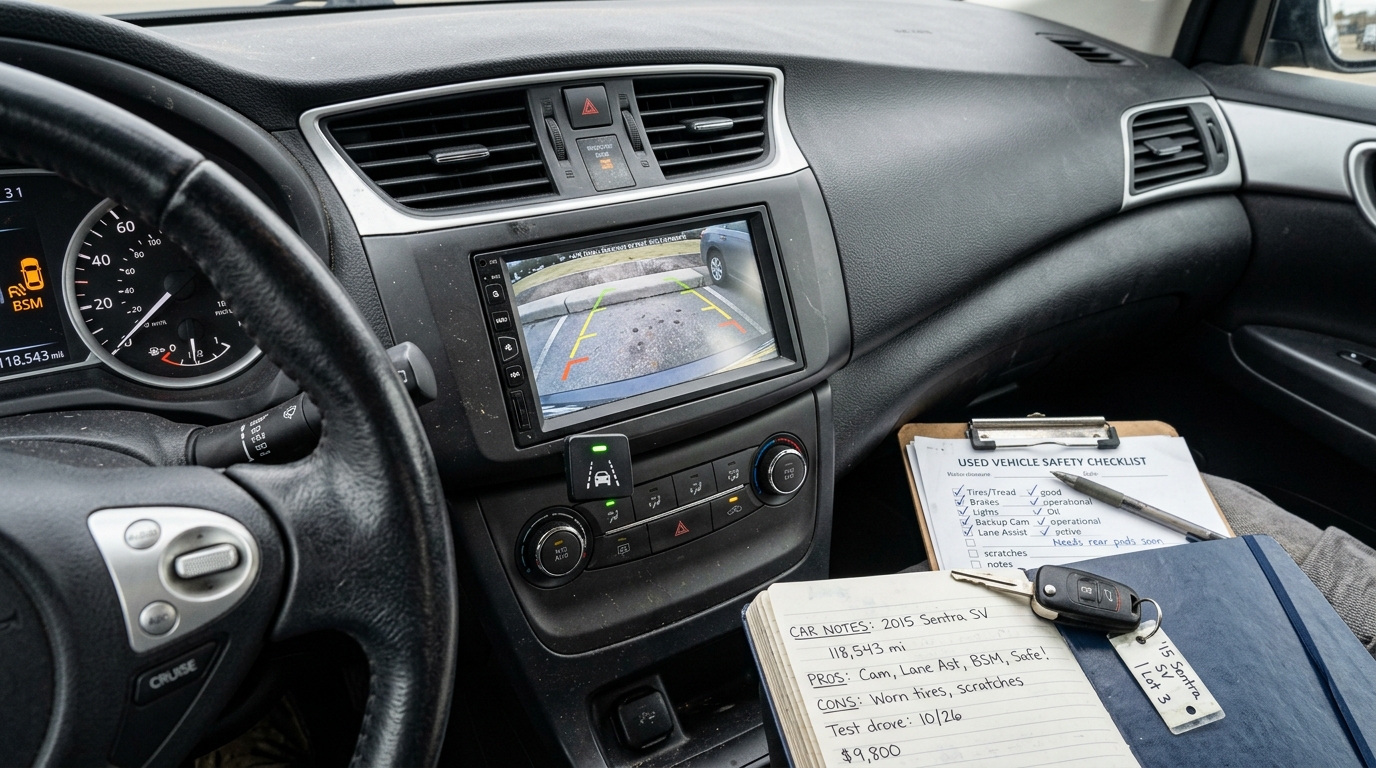
Many safety features shine during normal driving, not just dramatic emergencies. Blind spot monitoring can help during freeway lane changes near Tacoma or on busy local roads. Rear cross-traffic alert can help when backing out of crowded shopping centers. Automatic emergency braking may help if traffic stops suddenly. Lane support can reduce risk during long commutes or dark rainy drives.
These systems do not make a vehicle self-driving. They support the driver. You still need to check mirrors, keep distance, stay alert, and drive for the weather. A used car with safety technology should make good driving easier, not encourage overconfidence.
Automatic emergency braking and forward collision warning
Automatic emergency braking, often called AEB, can warn the driver and may apply the brakes if the vehicle detects a possible front crash. Forward collision warning alerts the driver before impact risk increases. In a used vehicle, ask whether the system detects only vehicles or also pedestrians and cyclists. Newer systems may offer broader detection, but capability varies by year, make, model, and trim.
Blind spot monitoring and rear cross-traffic alert
Blind spot monitoring can alert you when another vehicle sits beside or slightly behind you. Rear cross-traffic alert can warn you when a car approaches while you reverse. These features are especially useful in parking lots, school pickup areas, and lane changes. During a test drive, confirm that the mirror indicators, sounds, and dashboard alerts work.
Not every used vehicle has the same version of a feature
One common mistake is assuming that all safety features work the same way. They do not. A 2018 system may not perform like a 2024 system. One trim may include blind spot monitoring, while another trim of the same model may not. Some vehicles include warning only. Others may actively assist with braking or steering. Always check the exact vehicle, not just the model name.
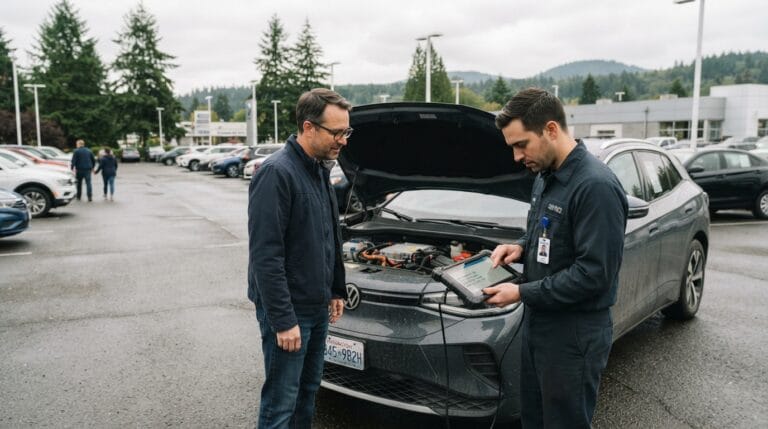
Buyers should also remember that safety features depend on sensors, cameras, radar units, wiring, software, and calibration. A vehicle that had front-end damage, windshield replacement, bumper repairs, or mirror damage may need recalibration. That is why a safety-tech check belongs with the full used vehicle inspection process.
Trim level can change the safety package
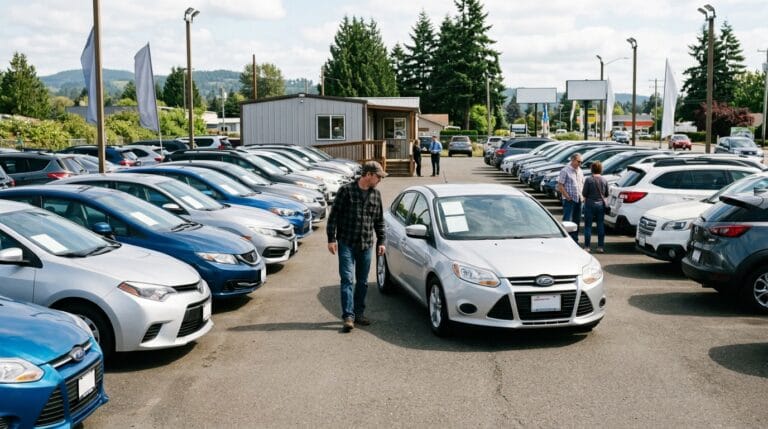
Two used SUVs may look almost identical but offer different safety packages. A base model may have a backup camera and stability control. A higher trim may add AEB, adaptive cruise control, blind spot alerts, and lane support. Before deciding, compare the window sticker, owner’s manual, vehicle build sheet, or dealer-provided feature list.
How to Check Safety Features Before Buying a Used Car
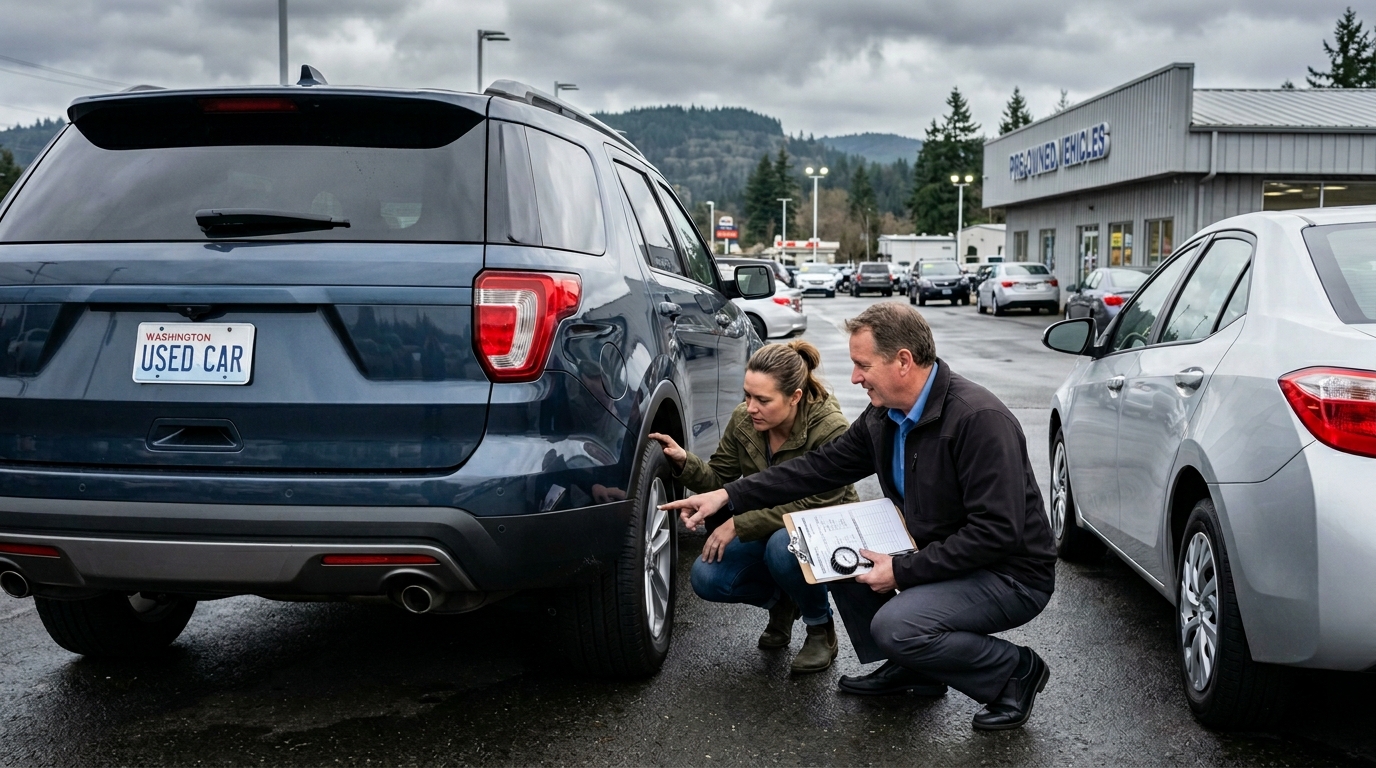
Start with a visual inspection. Look at the windshield camera area, front bumper sensors, rear bumper sensors, side mirrors, backup camera, dashboard warning lights, and steering wheel controls. Check for cracked lenses, missing sensor covers, warning messages, or signs of poor body repairs. Small damage near sensors can matter.
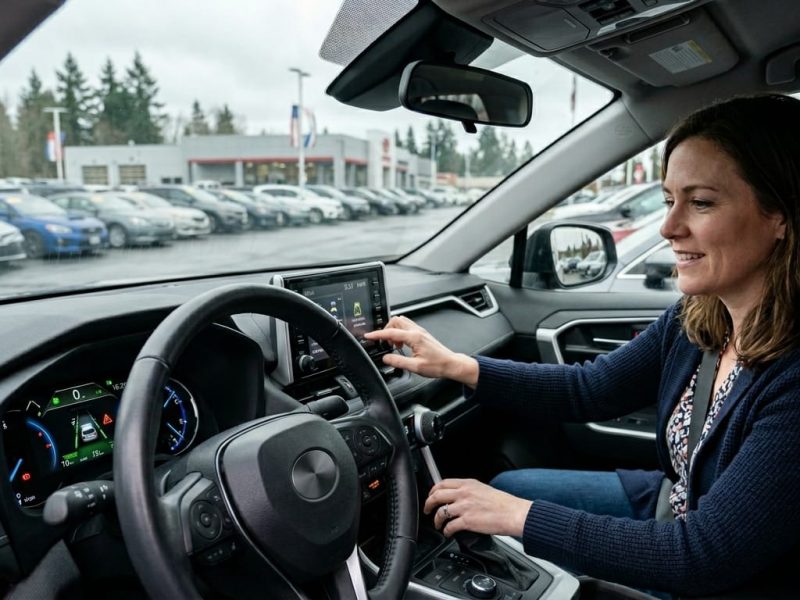
Next, test the features safely during the test drive. You should not create dangerous situations to test AEB, but you can check whether warning lights appear at startup and disappear normally. You can confirm the backup camera works, parking sensors respond, blind spot alerts activate in safe traffic, and lane assistance settings turn on properly. Ask the seller to demonstrate features you do not understand.
A buyer’s checklist for safety technology
Before buying, ask these questions: Does this exact vehicle have automatic emergency braking? Does it include pedestrian detection? Does blind spot monitoring work on both sides? Does the backup camera show a clear image? Do parking sensors beep correctly? Are any warning lights on? Has the windshield, bumper, mirror, or camera area been repaired? Do service records show recalibration after repairs?
Pair this safety check with a broader inspection. Review tires, brakes, lights, suspension, fluids, recalls, accident history, and service records. A car with advanced safety tech still needs solid mechanical condition. Use the Used Car Inspection Checklist as a practical companion before you commit.
Check recalls, history reports, and dashboard warnings
A vehicle history report can show accident records, title issues, service history, and ownership patterns. It may not tell the whole story, but it gives useful clues. Also check for open recalls. During startup, dashboard lights should come on briefly, then turn off. If safety system warnings remain on, do not ignore them. Ask for diagnosis before purchase.
Do not pay extra for features that do not work
Safety features add value only when they function correctly. A used SUV advertised with driver assistance should not have broken sensors, a blurry backup camera, disabled lane assist, or warning lights. If a feature does not work, ask whether the seller will fix it before sale or adjust the price. Do not assume repairs will be cheap.
Which buyers benefit most from advanced safety features?
Many shoppers benefit, but some should pay extra attention. Parents may want rear cross-traffic alert, blind spot monitoring, strong crash ratings, and rear-seat safety details. Commuters may value adaptive cruise control and lane support. New drivers may benefit from visibility and alert systems. Buyers who drive in rain, darkness, or heavy traffic may appreciate safety packages that reduce stress.
Hybrid and EV shoppers should also check safety tech carefully because newer electrified vehicles often include modern assistance features. If you are comparing options, review Best Used Hybrid SUVs in Washington for 2026 and Used EV Deals in Puyallup. For rainy or snowy driving needs, the guide on Best AWD Used Vehicles in Washington can also help.
Safety features should match your real driving life
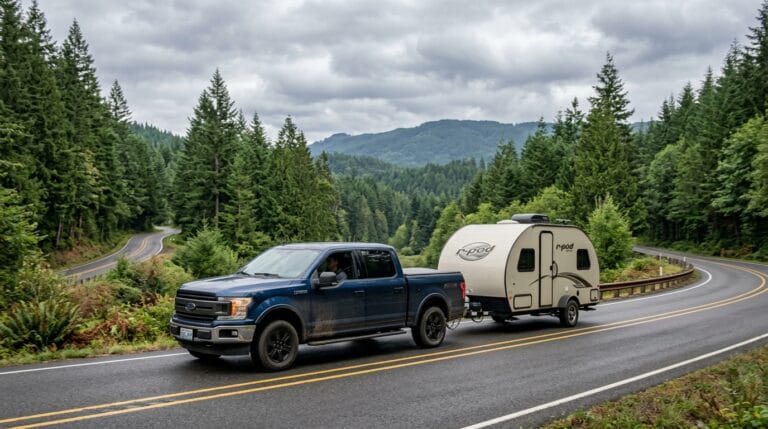
The best safety package depends on your routine. A city commuter may care most about AEB, blind spot alerts, and parking support. A parent may prioritize rear visibility, crash ratings, and child-seat access. A mountain-pass driver may want AWD, quality tires, stability control, and strong lighting. Choose features that solve real problems, not just the longest feature list.
In conclusion, used car safety features can help Puyallup buyers make smarter decisions in 2026. Do not rely only on price, mileage, or appearance. Check the exact safety package, confirm the systems work, review repairs and recalls, and test features during the buying process.
At Puyallup Cars n Trucks, the goal is to help local shoppers find vehicles that fit their budget, lifestyle, and safety needs. A good used car should feel dependable on the lot and practical on real Washington roads. When you compare safety features carefully, you can choose a vehicle that gives you more confidence long after the test drive ends.