
Buying a used car in 2026 can still be a smart move, but only if you know where the real risks are. For a lot of buyers, the biggest problem is not choosing between a sedan, SUV, or truck. It is figuring out what the vehicle will actually cost once the paperwork starts, which listings are real, and whether the monthly payment fits real life instead of just looking manageable on paper.
That matters more right now because the used-car market is still under pressure. New-car affordability remains tough, many buyers are stretching loans longer than they should, and regulators are paying closer attention to dealership advertising practices. In plain English, shoppers need to be more careful than ever about hidden fees, sold vehicles that are still being advertised, and financing decisions that feel fine today but become painful later.
If you are shopping for a used vehicle in Puyallup, the good news is that you do not need to overcomplicate the process. You just need to know what to verify before you visit, what to ask when you get there, and what numbers actually matter. A good used-car deal is still out there. You just need to protect yourself from the parts of the process that waste money.
This guide breaks down how to do that in a practical way.
Why this topic matters so much in 2026
The used-car market is still shaped by affordability pressure. New vehicles remain expensive enough that many shoppers are being pushed into used inventory, and financing has not exactly become painless. Industry coverage entering 2026 shows elevated prices and long loan terms are still affecting both new and used buyers. That means more people are shopping with tighter budgets and less room for surprise charges.
At the same time, advertising transparency is getting more attention. The FTC recently warned dealership groups over listings for vehicles that were no longer available, which matters because an outdated or misleading ad can pull buyers into a process that starts with the wrong expectations. Even when the vehicle is real, hidden add-ons and unclear pricing can still turn a “great deal” into something much more expensive by signing time.
Affordability pressure makes buyers more vulnerable
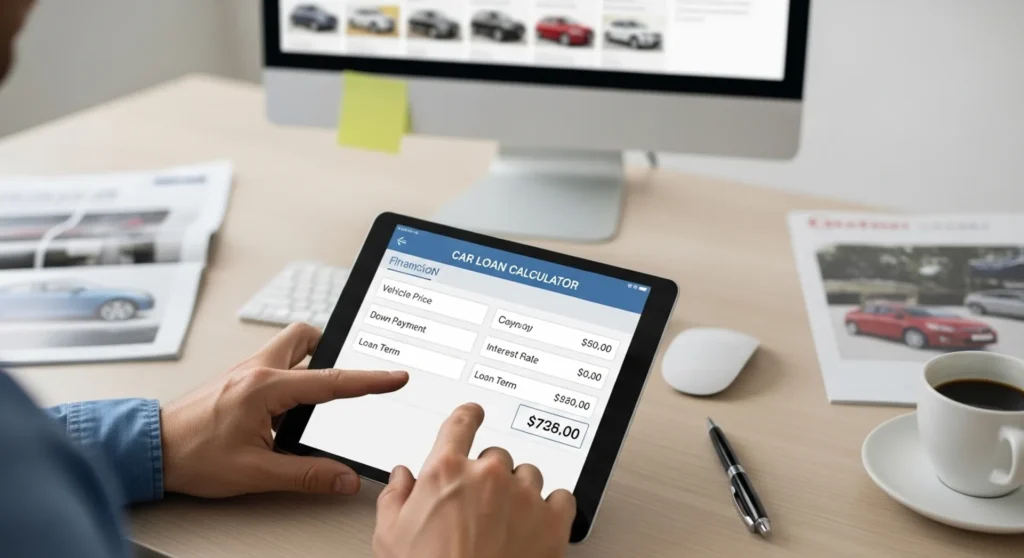
When people are focused mainly on keeping the monthly payment low, they become easier to upsell. A longer loan term, more expensive service package, or extra fee might not seem huge when framed in small monthly increments. But the total cost can climb fast.
Online listings are useful, but they are not enough on their own
Shopping online is now normal, but a listing should be the start of your research, not the end of it. Photos, attractive pricing, and a short description do not tell you whether the vehicle is still available, whether fees are already included, or whether financing assumptions are realistic.
That is why transparency is becoming a selling point
In this market, buyers are looking for something simple: real inventory, real pricing, and clear communication. Dealers who can provide that have an advantage, especially at the local level where trust still matters.
What hidden fees usually look like on a used-car deal
Not every fee is fake, but not every fee deserves a free pass either. Buyers get into trouble when they do not know the difference between standard transaction costs and padded add-ons that push up the final number.
Documentation and licensing fees
Some fees are part of the legal and administrative side of buying a vehicle. These may include title, registration, and documentation-related costs. You still want to see them clearly listed, but they are not automatically red flags.
Add-on products presented like they are mandatory
This is where buyers need to stay sharp. VIN etching, paint protection, theft products, service contracts, GAP coverage, and aftermarket packages may be offered in ways that make them sound required. Often, they are not. They may be optional products with real cost attached.
Payment-focused pitching
Sometimes the hidden cost is not a line-item fee. It is a financing structure. A buyer comes in asking about total price and leaves discussing only monthly payment. That shift is where expensive mistakes start. A lower payment can simply mean a longer loan, higher total interest, or both.
The out-the-door price matters more than the headline price
The most useful number is not the teaser price in the ad. It is the full out-the-door amount, including the vehicle price, taxes, registration, and any dealer fees. If you do not know that number, you do not really know what the vehicle costs.
How to spot a misleading used-car listing before it wastes your time
A listing can look polished and still be incomplete. That is why buyers should verify a few things before driving across town or getting emotionally attached to a particular vehicle.
Ask whether the vehicle is available right now
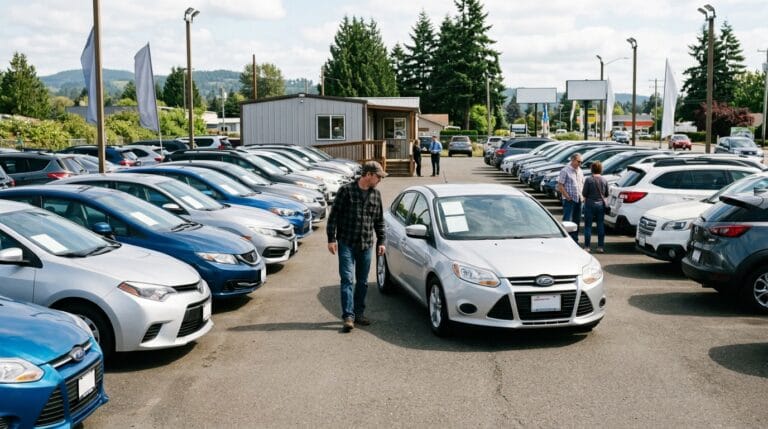
That sounds basic, but it matters. If a listing brought you in and the car is already gone, the experience starts with friction. Ask directly whether the vehicle is physically on the lot and available to test drive today.
Ask whether the advertised price includes all dealer-required charges
This is one of the smartest questions you can ask early. You want to know whether the ad reflects the actual selling price before government fees, or whether the listed number depends on conditions, add-ons, or financing assumptions that were not obvious in the ad.
Look for complete vehicle details
A useful listing should tell you more than just year, make, model, and a few glamor shots. Mileage, trim, drivetrain, condition notes, and vehicle history access all help buyers judge whether the price makes sense.
A clean listing should lead to a clean conversation
If the listing is vague, the pricing is slippery, or the answers become evasive when you ask for details, that is information too. Good dealerships do not need confusion to sell a good vehicle.
How to keep financing from becoming the most expensive part of the deal
Financing is where many used-car buyers quietly lose the most money. Not because financing itself is bad, but because buyers often focus on approval instead of affordability.
Start with your real monthly budget
Your car payment is only one part of ownership. Insurance, fuel, maintenance, registration, and unexpected repairs still exist. A payment that looks manageable in isolation may be too much once the rest of the costs show up.
Watch the loan length closely
Longer loan terms lower the monthly payment, but that does not make the vehicle cheaper. It often does the opposite. You may pay more in interest and remain upside down longer, especially if the vehicle depreciates faster than the loan balance drops.
Do not ignore trade-in equity
If you still owe money on your current vehicle, that balance matters. Rolling negative equity into the next loan can make an already tight budget worse. Many buyers underestimate how much this changes the total deal.
Approval is not the same thing as a good decision
Just because a lender will approve a deal does not mean it fits your long-term finances. The goal is not only to get into a vehicle. The goal is to stay comfortable after the excitement wears off.
Best questions to ask before you say yes
The right questions can save a lot of money and frustration. Buyers do not need to act like lawyers, but they do need to ask directly.
What is the full out-the-door price?
This should be one of your first serious questions. It cuts through confusion faster than almost anything else.
Can I see the vehicle history report?
A history report does not tell you everything, but it helps you spot issues like reported accidents, title branding, and mileage history.
What fees are dealer fees and what is optional?
This forces clarity. It separates required transaction costs from optional add-ons that you may not want.
Has the vehicle been inspected and what was addressed?
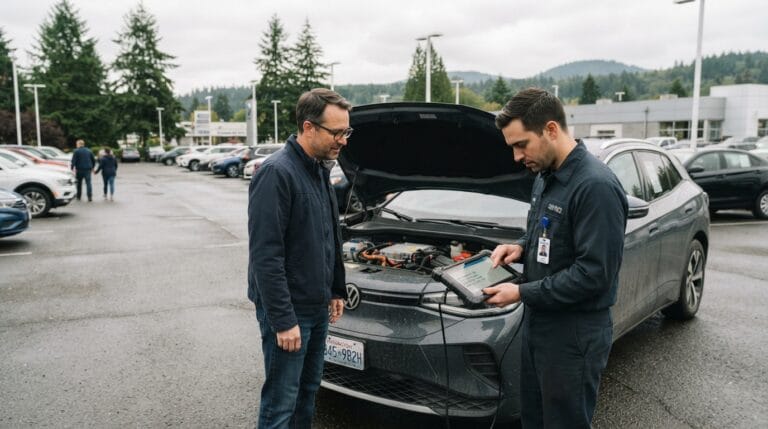
For a used-car dealership, this is a strong trust question. Buyers want to know whether the vehicle was actually checked and whether the store stands behind its quality.
Why this topic fits Puyallup Cars n Trucks so well
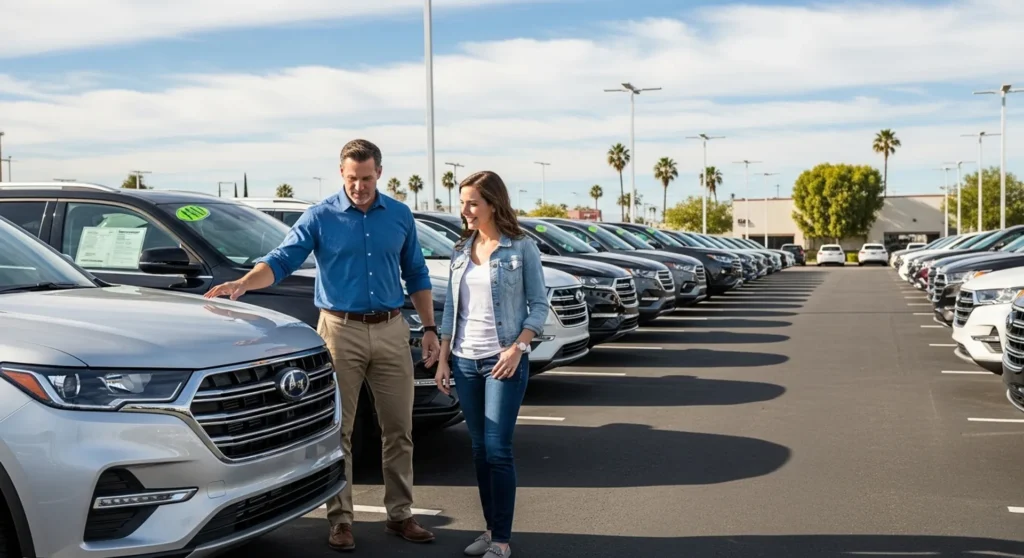
This topic works because it aligns directly with what your site already publishes. You already have content on what to look for before buying a used truck in Puyallup, why Puyallup is a strong place to shop for cars, and your broader car buying tips section. This post strengthens that cluster by tackling one of the most practical buyer concerns in the current market: transparency.
It also supports conversion. A buyer searching for hidden fees, misleading listings, or out-the-door pricing is already closer to making a real purchase than someone casually browsing vehicle photos. If your dealership can answer those concerns clearly, this kind of content helps build trust before the customer ever arrives on the lot.
Final thoughts
Used-car buying in 2026 is still very doable, but shoppers need to be more deliberate. Headline prices, attractive listings, and manageable monthly payments can all look good until the details come out. That is why the smartest buyers focus on availability, full pricing, fee transparency, inspection quality, and financing terms before they commit.
If you are buying in Puyallup, the goal is not to find the flashiest listing. It is to find a vehicle and a dealership that make the process clear from the start. That means asking better questions, insisting on the out-the-door number, and choosing value over pressure.
When a used-car deal is honest, it feels different. Less confusion. Less guesswork. Less regret after the papers are signed. That is still the standard buyers should expect in 2026.
For broader context, readers can also review auto market analysis from Edmunds and consumer reporting around deceptive fee patterns and dealership pricing practices from MarketWatch.