Buying a used car can be a smart move—especially when you know what to look for. The challenge is that many problems don’t show up in a quick walk-around. A clean exterior and shiny wheels don’t always mean the vehicle is a good long-term buy. That’s why a practical used car inspection checklist matters. It helps you slow down, check the right places, and avoid expensive surprises after you sign the paperwork.
Whether you’re shopping for a commuter car, a family SUV, or a work truck in Puyallup, this guide gives you a simple, real-world inspection process. You’ll learn what to check visually, what to test on the road, and which documents to review—plus when it makes sense to get a professional inspection before you finalize the deal.
Before You Arrive: Do 3 Quick Prep Steps
A better inspection starts before you even see the vehicle. These quick steps protect you from wasting time and help you ask smarter questions.
- Bring a flashlight (phone light works) and a paper towel for checking fluids.
- Bring a simple tread gauge or use a coin test if you don’t have one.
- Plan a route that includes neighborhood streets and a faster road so you can test acceleration, braking, and steering stability.
If you’re deciding between a standard used vehicle and a certified one, this comparison is helpful: Certified Pre-Owned vs. Regular Used Cars: What’s the Difference?
The Used Car Inspection Checklist: 15 Things to Check
Use the checklist in order. It’s designed to catch obvious red flags early and save deeper testing for vehicles that pass the basics.
Exterior and Body Condition
1) Panel gaps and paint match
Look along the sides of the car. Uneven gaps between panels, mismatched paint, or overspray inside door edges may suggest prior bodywork. Bodywork isn’t automatically a dealbreaker, but you want to know what happened and whether repairs were done properly.
2) Rust and corrosion hot spots
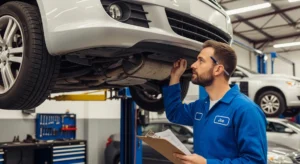
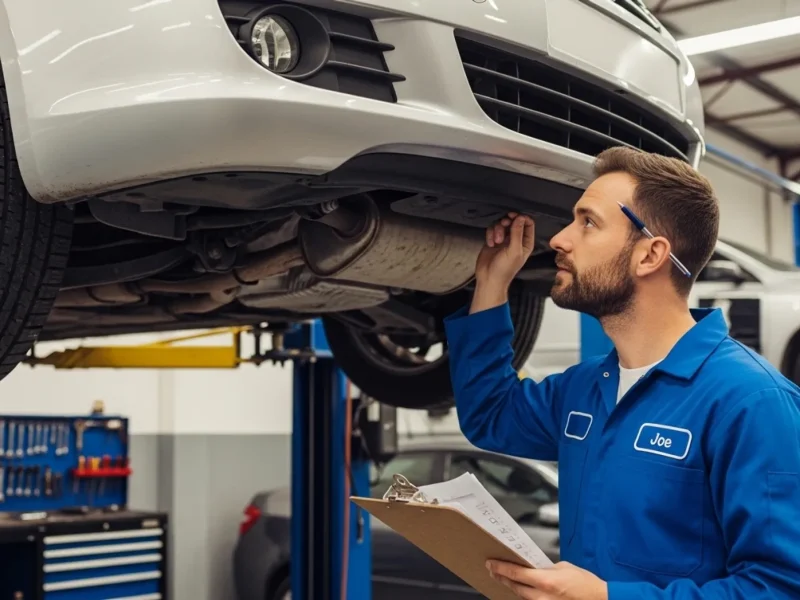
Check wheel wells, lower door edges, under the trunk lip, and the underside (if you can safely look). Surface rust can be normal, but heavy corrosion can become an expensive problem.
3) Glass, lights, and lenses
Cracked headlights, fogged lenses, or chipped windshields may be easy to miss. Replacing modern headlights can be surprisingly costly.
Tires, Wheels, and Suspension Clues
4) Tire condition and tread depth
Uneven wear (more on one side) can indicate alignment or suspension issues. Check all four tires—don’t assume they’re evenly matched.
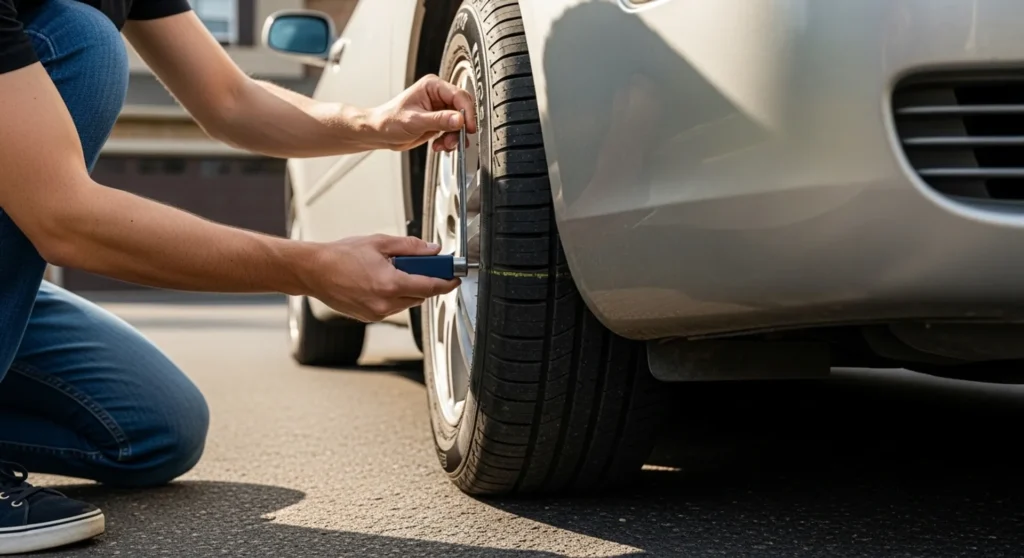
5) Tire age
Look for the DOT date code on the tire sidewall. Older tires may have tread but still be unsafe due to rubber aging.
6) Bounce test and stance
Push down on each corner of the car. Excessive bouncing may indicate worn shocks/struts. Also check if the vehicle sits level—leaning can hint at suspension issues.
Under the Hood Basics (Even If You’re Not a Mechanic)
7) Oil condition
Pull the dipstick. Oil should not look gritty or milky. Milky oil can suggest coolant contamination, which can be serious.
8) Coolant and visible leaks
Look for damp spots, crusty residue, or fluid streaks. A little grime is normal, but fresh wet leaks deserve attention.
9) Battery and corrosion
Check battery terminals for heavy corrosion. It’s not always a major issue, but it can hint at neglect.
10) Belts and hoses
Look for cracking, fraying, or swelling. You’re not diagnosing—just watching for obvious wear that signals maintenance costs soon.
Interior, Electronics, and Comfort
11) Seat wear vs. mileage feel
If the driver’s seat is heavily worn but the odometer is low, ask questions. Wear patterns don’t prove anything alone—but they can reveal inconsistencies.
12) AC/heat and defrost
Test AC cold, heat hot, and defrost strong. Climate repairs can be expensive, and foggy windows in Washington weather are not fun.
13) Power features and warning lights
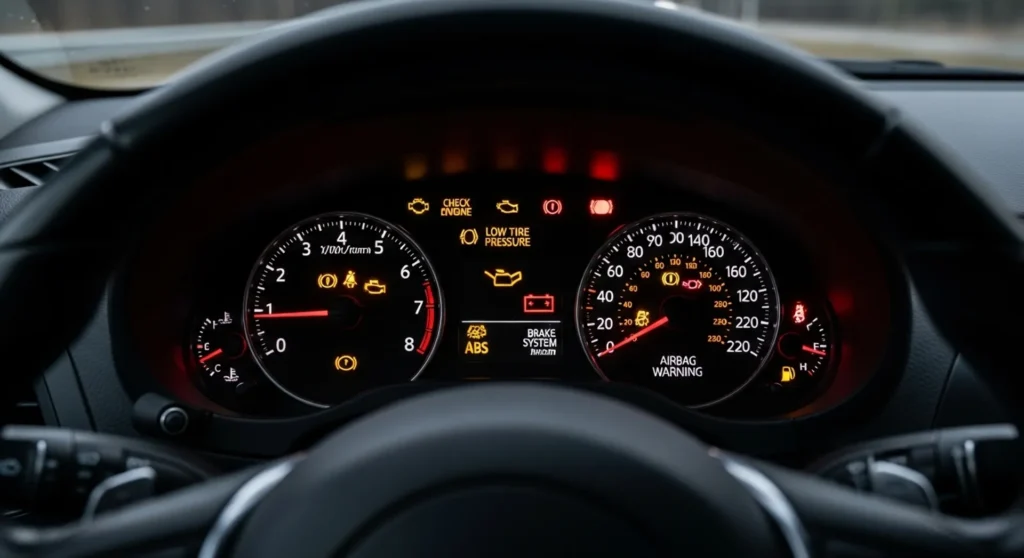
Test windows, locks, mirrors, infotainment, backup camera, and Bluetooth. Turn the key on before starting and make sure warning lights illuminate, then go off after the engine starts (a sign the system is self-checking correctly).
Test Drive Checks That Actually Matter
14) Braking, steering, and alignment
On a safe road, brake firmly (no slamming required). The car should stop straight without vibration. Steering should feel stable and centered. If it pulls, shakes, or wanders, note it.
15) Transmission behavior and unusual noises
Acceleration should feel smooth. Pay attention to hard shifts, slipping, delayed engagement, or clunks. Listen for knocking sounds, grinding, or loud whining that changes with speed.
Documents to Review Before You Decide
A good inspection includes paperwork. Here’s what to ask for and what it tells you.
- Maintenance records: Shows the vehicle was cared for (oil changes, major services).
- Vehicle history report: Helps identify title issues, accidents, or prior use.
- Recalls: Confirm whether open recalls exist and if they were repaired.
For recall checks, the National Highway Traffic Safety Administration (NHTSA) has an official lookup tool: https://www.nhtsa.gov/recalls.
When to Get a Pre-Purchase Inspection
If the vehicle is a higher mileage model, has a complex drivetrain (AWD/4WD), or you’re just not confident after your own check, a pre-purchase inspection is worth it. A mechanic can spot hidden issues like worn bushings, leaking seals, brake wear, and upcoming maintenance costs. Spending a little now can save a lot later.
If you’re shopping for something built for Washington’s weather and roads, you’ll also like: Best AWD Used Vehicles for All Seasons.
- Used Trucks for Sale in Puyallup: What to Look for Before You Buy
- How to Finance a Used Car in Puyallup with Bad or No Credit
- Trade-In Tips: How to Get the Most Value
Final Thoughts
A used car purchase should feel confident—not rushed. This used car inspection checklist gives you a repeatable system to spot red flags, ask better questions, and choose a vehicle that fits your needs in Puyallup. If a car passes the basics, drives smoothly, and has clean documentation, you’re usually in a strong position. And if something feels off, it’s okay to walk away—there will always be another good vehicle.